



A Fox News commentary published Oct. 17, 2026, argues that some parents’ conduct at youth sporting events undercuts complaints that children are unable to handle disappointment. The article points to a fight between a coach and a referee at a girls’ flag football tournament in Revere, Massachusetts, saying it happened in front of children who had come to play. It reports that both men later apologized, but provides no names, account of what triggered the confrontation, or further details about the incident.
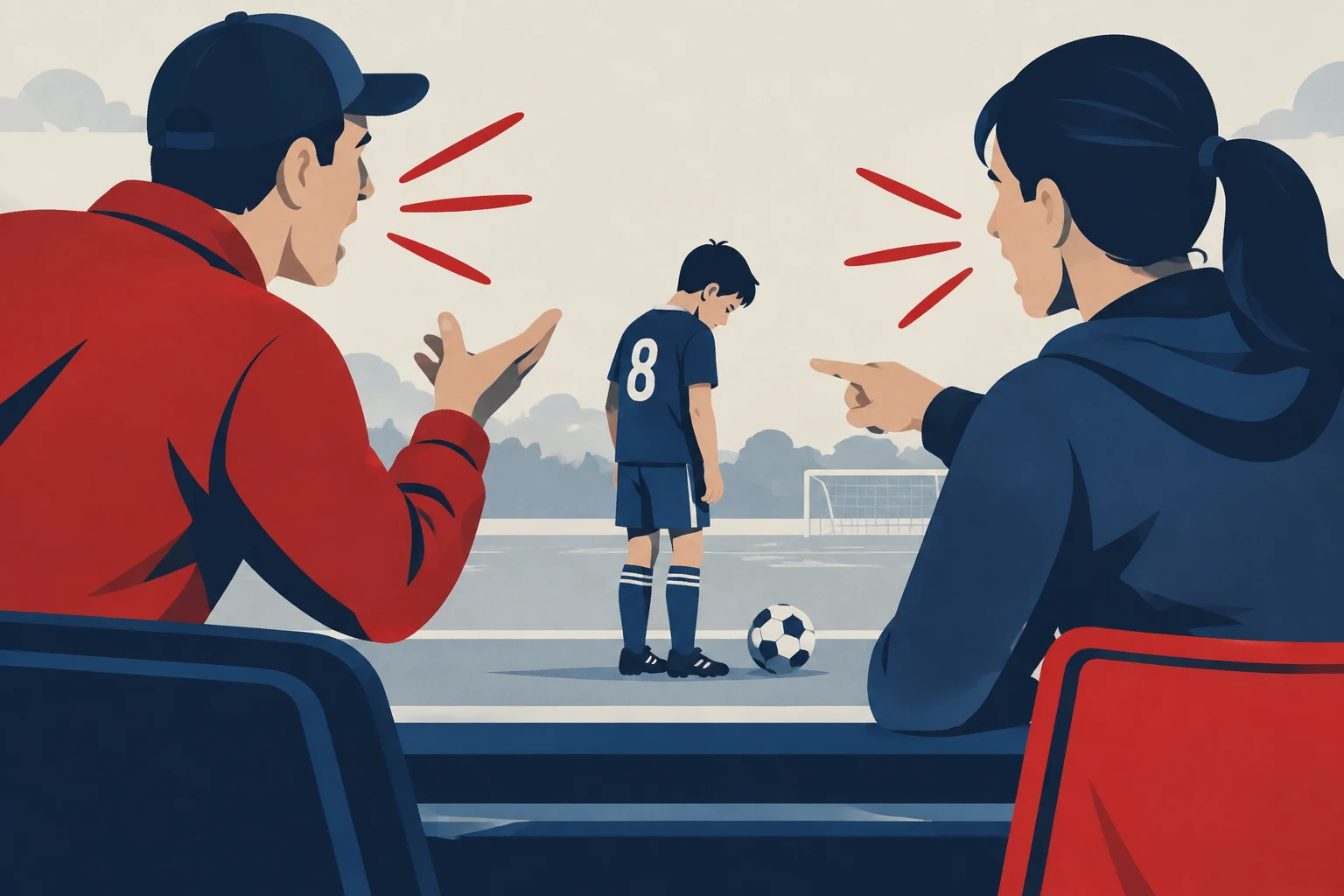
The author, writing from a psychotherapist’s perspective, says adults sometimes react more intensely than young athletes to routine outcomes such as losing, sitting on the bench or receiving criticism. The piece describes parents shouting at officials, challenging coaches’ decisions and treating disputed calls as personal grievances. These are examples offered by the author, not independently documented incidents in the supplied material.
The commentary suggests that some parents attach their own self-worth to a child’s athletic performance. A child’s victory may feel like a parent’s achievement, while a loss or a place on the bench may be experienced as a personal disappointment. The author also suggests that parents can bring their own past athletic ambitions to their children’s sports careers, turning a child’s playing time into a source of adult frustration.
The article also points to the cost of youth sports, citing travel teams, private lessons and tournaments as expenses that can lead families to expect results in return. It argues that spending money does not entitle a child to a starting position or guarantee wins. The piece says a child may simply have a poor performance or face a stronger opponent, and that confronting a coach will not change those realities.
A central distinction in the commentary is between protecting a child from harm and protecting the child from disappointment. The author says parents should step in if a coach is abusive or a child is genuinely mistreated. But it argues that losing, not starting and being told to practice more are not, by themselves, evidence of mistreatment.
The piece contends that ordinary setbacks can help children learn that effort does not ensure victory, that others may perform better and that unfair outcomes sometimes occur. It says adults who immediately intervene may prevent children from working through those experiences. The author compares that response with adults who, after workplace criticism or being passed over for a promotion, focus on perceived unfairness instead of considering how to respond.
Returning to the Massachusetts tournament, the article says the two men’s fight became an example of the behavior adults should not model for young players. It does not provide an independent account or additional sourcing about the confrontation. Its broader conclusion is that adults who criticize children for poor sportsmanship should also examine their own behavior on the sidelines.