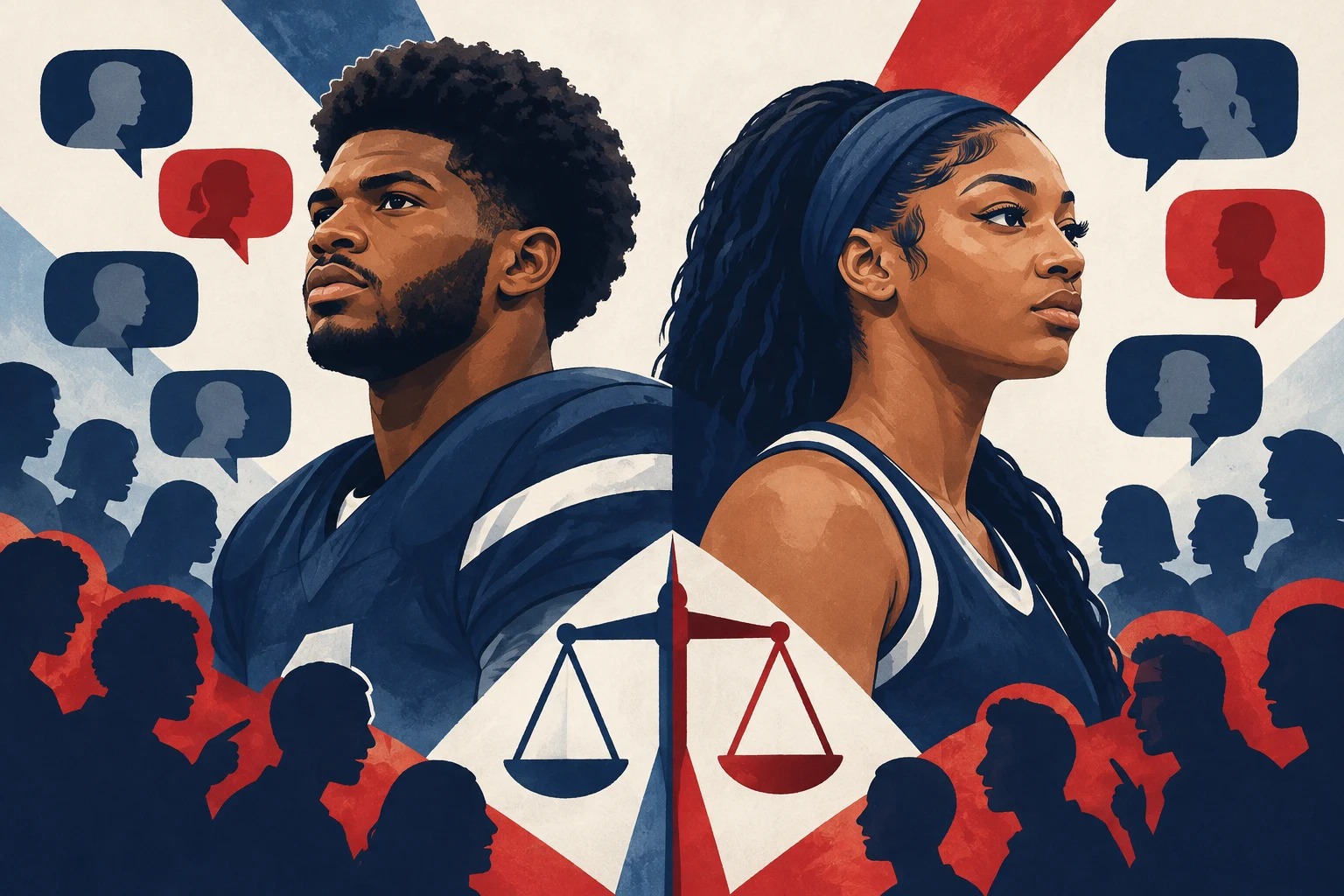
A Fox News opinion column published Nov. 9, 2026, argues that debates over Cleveland Browns quarterback Shedeur Sanders resemble arguments surrounding WNBA player Angel Reese. The writer’s comparison centers on claims that some fans treat criticism of the athletes as evidence of racial bias. The article presents that as an opinion about sports commentary and fan behavior, not as a finding about the athletes themselves.
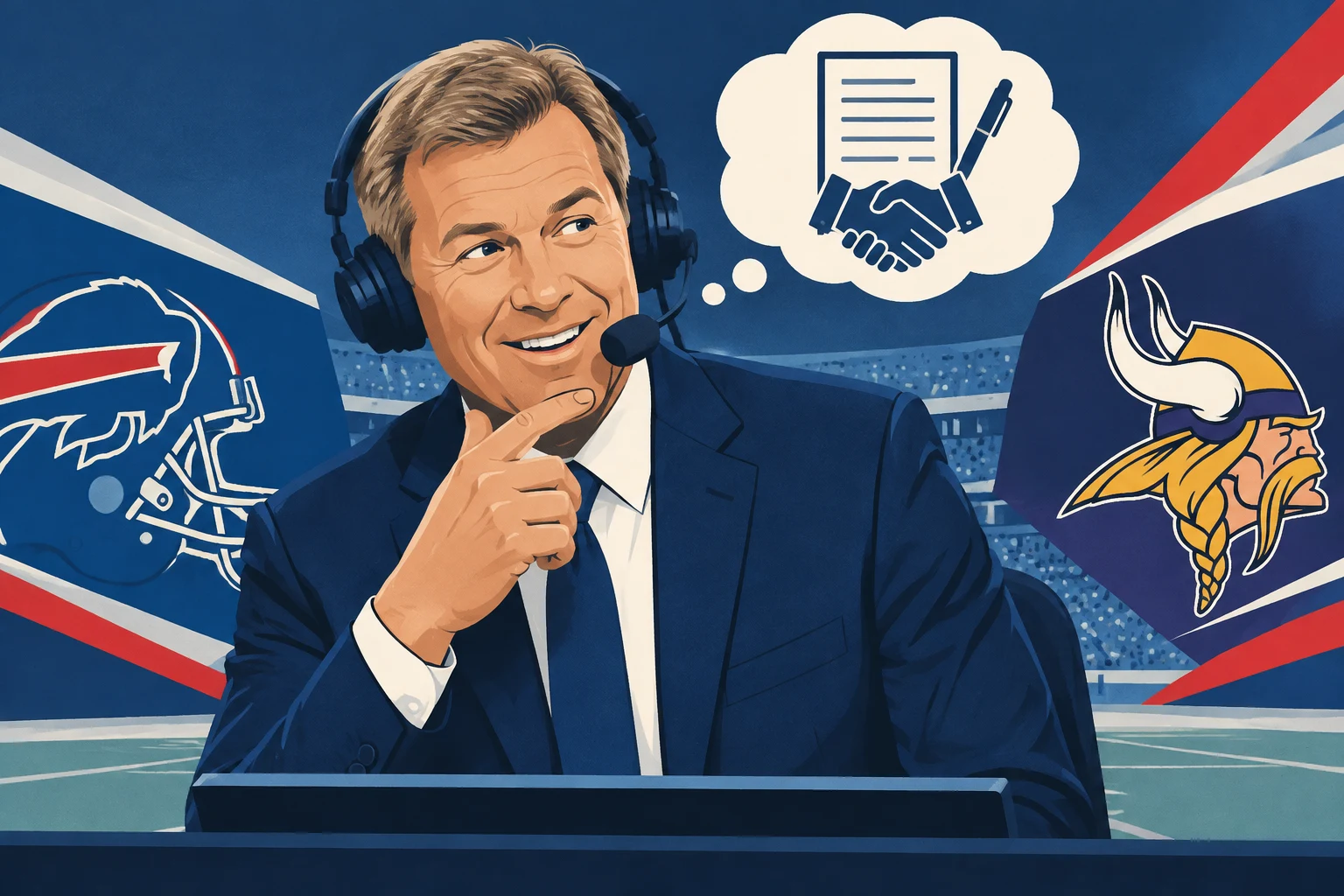
Sanders was selected by Cleveland with the 144th pick, in the fifth round of the 2025 NFL Draft, after entering the draft with public attention and expectations of a potentially earlier selection. The column describes how some media figures responded to his fall. It quotes ESPN’s Stephen A. Smith comparing the situation to Colin Kaepernick’s treatment by the NFL and alleging possible collusion. It also recounts Skip Bayless calling the draft outcome “disgusting” and, after Sanders’ preseason game against Carolina in August 2025, accusing some teams of racism. The column says those accusations were not accompanied by evidence establishing that teams passed on Sanders because of his race.
The article also points to remarks by former ESPN analyst Ryan Clark, who argued before the draft that Sanders faced heightened scrutiny as a confident Black quarterback. It contrasts those arguments with football-related concerns reported during the draft process, including questions about Sanders’ interviews and preparation. The column says former NFL quarterback Boomer Esiason reported that some teams had taken Sanders off their draft boards. These accounts are presented as part of the debate; the supplied material does not independently establish why particular teams made their evaluations.
The comparison with Reese draws on the public rivalry between her and Caitlin Clark, which grew from their college basketball matchups. The writer says criticism of Reese’s shooting and offensive efficiency can prompt accusations of racial bias, while praise for Clark can become part of wider arguments about race and the treatment of Black women in sports. It recounts ESPN analyst Monica McNutt’s discussion after Clark fouled Reese in May 2025, including McNutt’s questions about how the incident might have been viewed had Reese committed the foul.
The article also describes a WNBA investigation into allegations of hateful fan comments and monkey noises directed at Reese during that game. According to the column, the league said it could not substantiate the specific allegations. It further recounts criticism of WNBA Commissioner Cathy Engelbert after she discussed the commercial appeal of the Clark-Reese rivalry in September 2024. Engelbert later clarified that racism and hatred had no place in the league, the article says.
The Browns’ quarterback situation is another part of the column’s comparison. Sanders and Dillon Gabriel joined Cleveland after being drafted in 2025: Gabriel was taken in the third round, while Sanders was chosen in the fifth. The writer says some Sanders supporters treated the difference in draft position as evidence of unfair treatment and describes online disputes over which quarterback should receive opportunities. Those characterizations of supporters’ views are the columnist’s account.
The piece acknowledges that Sanders and Reese have professional accomplishments while arguing that those accomplishments do not make their performance immune from criticism. It says Sanders earned an NFL opportunity after a productive college career and describes Reese as an LSU national champion and strong rebounder. The columnist argues that criticism of a player’s game, by itself, does not prove discrimination, while also saying that genuine racism and discrimination warrant condemnation and investigation.
In its discussion of Sanders’ NFL performance, the column asserts that he ranked 41st in passer rating among 42 eligible quarterbacks “last season,” threw more interceptions than touchdowns and had the fifth-worst QBR since the statistic was introduced in 2006. It also says that mark was the worst for a Browns quarterback with at least six starts. These statistics and the article’s judgment of Sanders’ conduct are presented by the opinion writer; the supplied material does not provide underlying data for independent verification.
The column’s conclusion is that framing every setback or negative assessment as racial discrimination can shift attention away from athletic performance and development. Its broader comparison is an argument about the conduct of some fans and media figures, rather than a neutral report establishing that criticism of either athlete is or is not racially motivated.