

A Fox Business opinion article published Oct. 17, 2026, contends that the Dallas Cowboys’ commercial strength and national profile have endured despite disappointing results on the field. The piece argues that team owner Jerry Jones has made “relevance” a priority, allowing the Cowboys to remain a prominent NFL storyline even when they are not serious championship contenders.
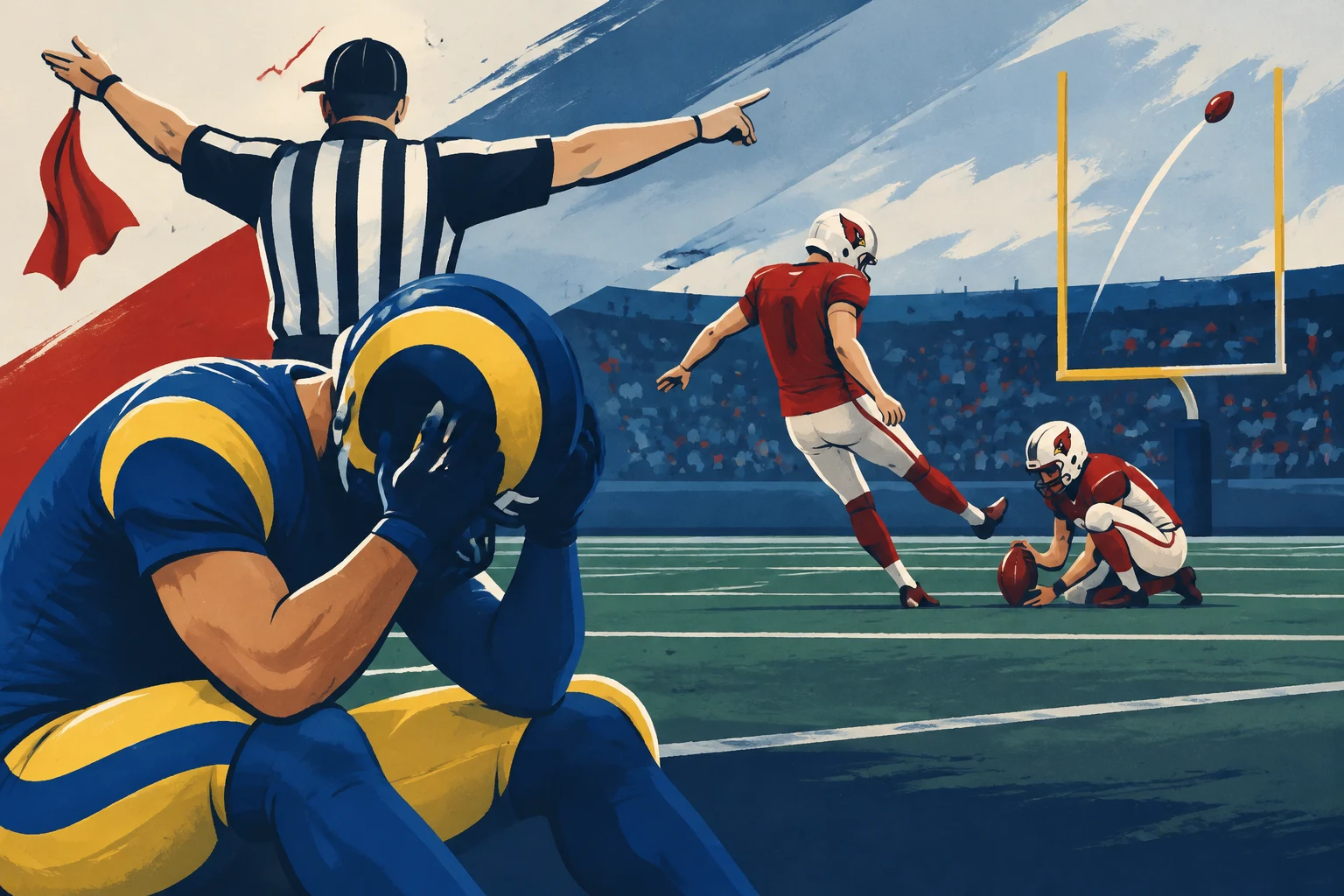
The article opens with a fan’s viral reaction after Dallas lost at home to Tampa Bay, a team the piece describes as winless at the time. The Cowboys had fallen to 2-3. The writer uses the incident to illustrate the intensity of fan interest and argues that the annual question of whether Dallas will return to Super Bowl glory helps keep supporters engaged.
The Cowboys have not won a Super Bowl in 30 years, the article says. It contrasts that drought with the franchise’s earlier success, tracing the team’s rise from its 1960 founding to its reputation as “America’s Team.” The piece says Dallas had won five championships by its 1996 Super Bowl victory, and notes that many younger fans have never seen the team win the Lombardi Trophy.
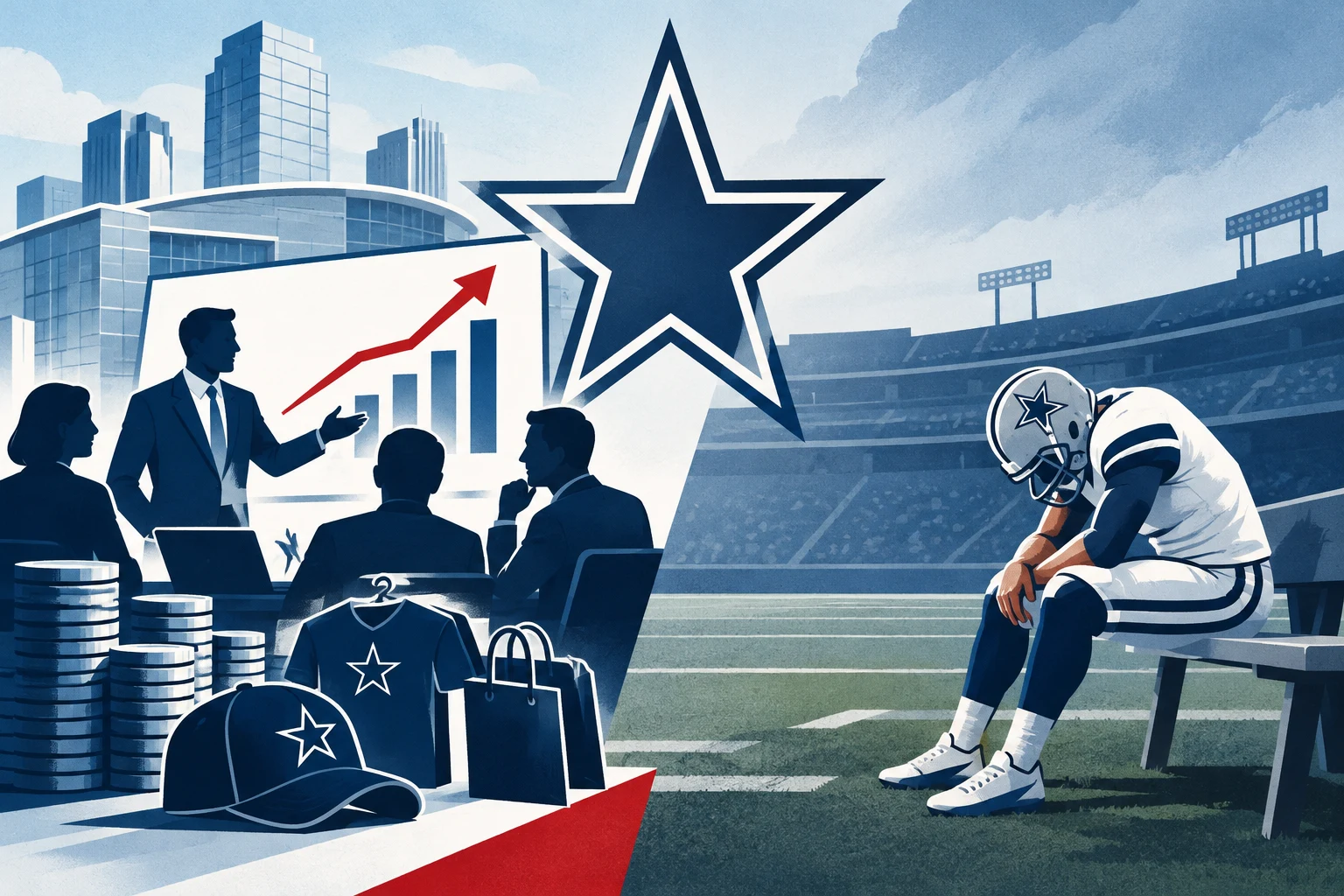
Yet the article says the Cowboys remain at the top of the sports-business world. Citing Forbes, it reports the franchise is valued at $17 billion. It also attributes to Forbes figures of about $1.28 billion in revenue and $677 million in operating income, describing the latter as far ahead of other NFL teams. The piece points to the team’s stadium, which it says hosts events including World Cup matches and concerts, as part of the broader business operation.
The writer links the gap between financial success and football performance to Jones’s dual role as owner and general manager. It says Jones is the only NFL owner to hold the general manager position and has held it longer than any other current NFL GM. The article argues that this arrangement gives Jones control over personnel decisions while keeping him in the public eye, and says he could choose to appoint someone else to the role.
To support its argument about Jones’s priorities, the article recounts his comments during the 2014 draft. Jones said selecting Johnny Manziel would guarantee the Cowboys’ relevance for a decade, while choosing another player could lead to “parity” and more 8-8 seasons. The piece says Jones’s son Stephen persuaded him against selecting Manziel; Dallas instead chose offensive lineman Zack Martin. It characterizes Martin as a contributor to successful regular seasons and says Manziel’s prominence proved brief.
The article also criticizes subsequent roster choices. It says Dallas traded edge rusher Micah Parsons after he sought a contract worth $47 million, then spent more on other players without getting comparable production. It faults the team for not acquiring running back Derrick Henry and for bringing back Ezekiel Elliott instead. The writer further argues that quarterback Dak Prescott’s contract has not produced playoff success. These are the article’s assessments, not independently established explanations for the team’s results.
The piece concludes that Jones’s approach puts the Cowboys’ brand and financial performance ahead of winning championships. It suggests that losing seasons can sustain public debate about whether Dallas will improve, while also potentially improving draft position. That conclusion is the writer’s interpretation of the franchise’s incentives; the article does not establish that the Cowboys deliberately lose games. Its central claim is that the team’s business success has made it possible to remain valuable and visible despite a lengthy title drought.