At the Association of the United States Army’s annual conference in Washington this week, acting Army Chief of Staff Gen. Christopher LaNeve described a shift in military planning: in a conflict with a major rival, U.S. forces may not be able to count on secure bases and supply routes at home. “If we're going against a pacing threat, power projection will be contested,” he told Fox News Digital on Wednesday.
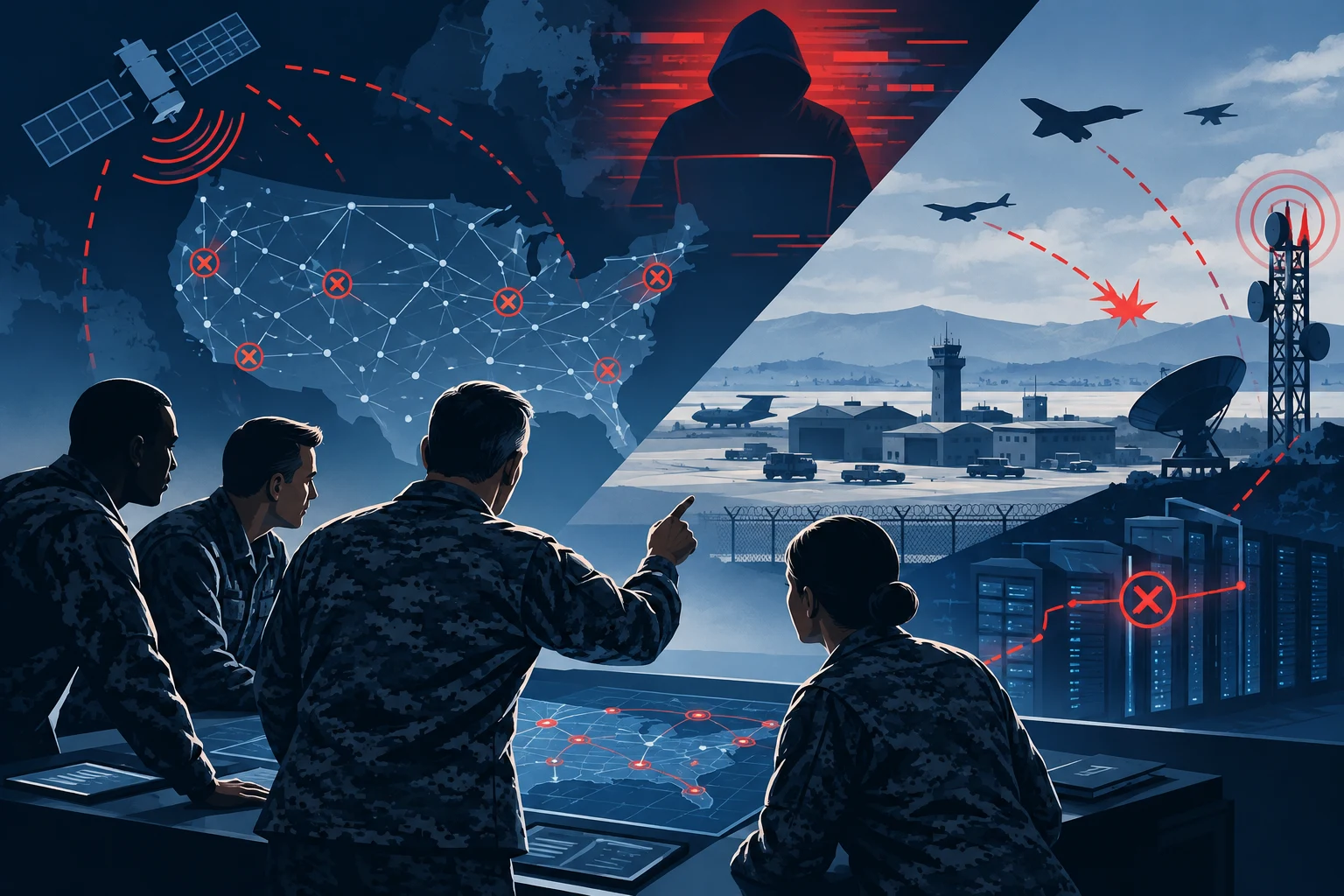
LaNeve said the Army is reconsidering assumptions shaped by the Iraq and Afghanistan wars, when forces could generally rely on protected domestic infrastructure. In a possible conflict involving China, attacks on bases, transportation links or communications could hinder the movement of U.S. forces to the battlefield.
The source cites the Pentagon’s latest report on China’s military capabilities, which warns that Beijing has placed cyber capabilities within U.S. critical infrastructure networks. The report says those capabilities could be used to impede American military mobilization during a conflict. The article does not provide further detail from the report.
U.S. officials have also confirmed drone incursions over military installations, including Joint Base Langley-Eustis in Virginia and Picatinny Arsenal in New Jersey. The incidents have not been publicly attributed to China, according to the report.
The Army’s “How the Army Fights” framework is intended to guide training and operations in conditions where bases, supply lines or communications are disrupted. LaNeve said the document sets direction for the service’s priorities. He described command-and-control capabilities that would allow units to continue maneuvering while disconnected and reconnect when communications become available.
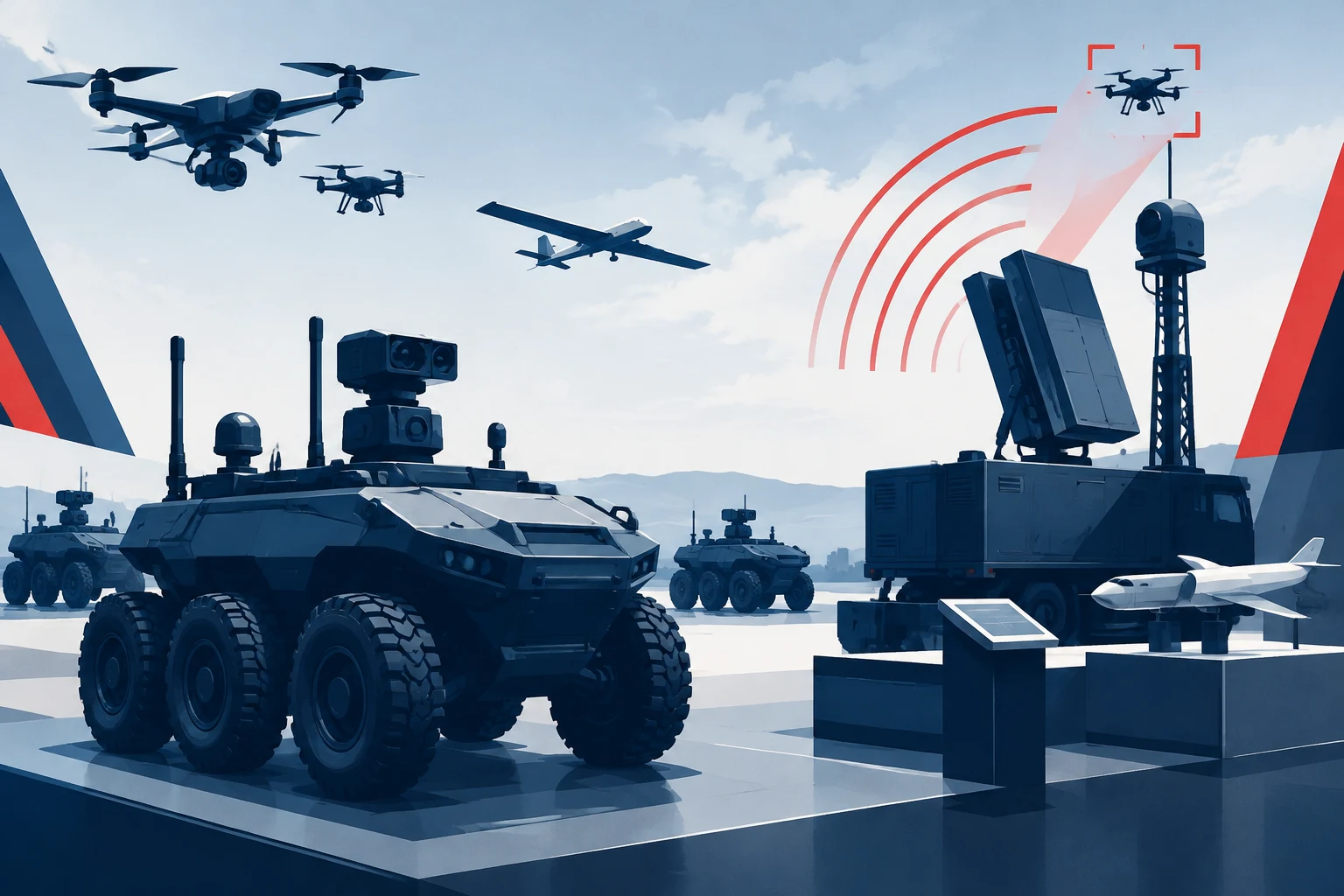
The Army is also working on domestic counter-drone defenses. LaNeve pointed to Joint Interagency Task Force 401, which is collaborating with federal and local law enforcement to improve protection around military bases and critical infrastructure. Acting Army Secretary Adam Telle cited the southern border as a setting where soldiers are encountering drone threats and testing counter-drone technology. He said the experience can inform preparation within Army units.
The service is expanding training for biological threats as well. Officials announced that biological incidents will be included in routine combat exercises, with the stated aim of helping soldiers continue their missions during disease outbreaks or deliberate biological attacks.
At a separate conference panel on Wednesday, Air Force Secretary Troy Meink warned that advances in surveillance could make it harder for military forces to move without being detected. He said China and other potential adversaries are increasing their ability to track military assets, and suggested that pervasive surveillance could become a reality within five years or sooner. Meink said the Pentagon is seeking to improve force survivability, including with autonomous systems for dangerous missions.
War Secretary Pete Hegseth criticized the Pentagon’s past pace in developing technologies including hypersonic weapons, space capabilities and drones. Those comments were his assessment, as presented in the source.
LaNeve said technology is meant to improve soldiers’ capabilities, but cannot replace basic skills. He described soldiers themselves as the Army’s primary platform and said troops must be prepared to operate when advanced systems are unavailable.
The changes are being directed by Army leaders serving in acting roles after the departures of former Army Secretary Dan Driscoll and Chief of Staff Gen. Randy George. LaNeve, the Senate-confirmed vice chief of staff, is serving as acting chief.