A reported cyberattack on supermarket refrigeration systems in France is prompting warnings from cybersecurity specialists about the risks to businesses and infrastructure operators, according to a Fox News Digital report published Oct. 18, 2026. The article says the incident affected hundreds of supermarkets and caused temperatures in refrigeration units to rise overnight, leading to food spoilage and financial losses. It does not identify the attackers or provide independent documentation of the incident’s scale.
John Walsh, a senior vice president at Germany-based software company IGEL, said U.S. organizations should consider how a digital intrusion could affect essential services and supplies. Walsh works with government and corporate clients involved in critical infrastructure, including Siemens and Rockwell, the report said.
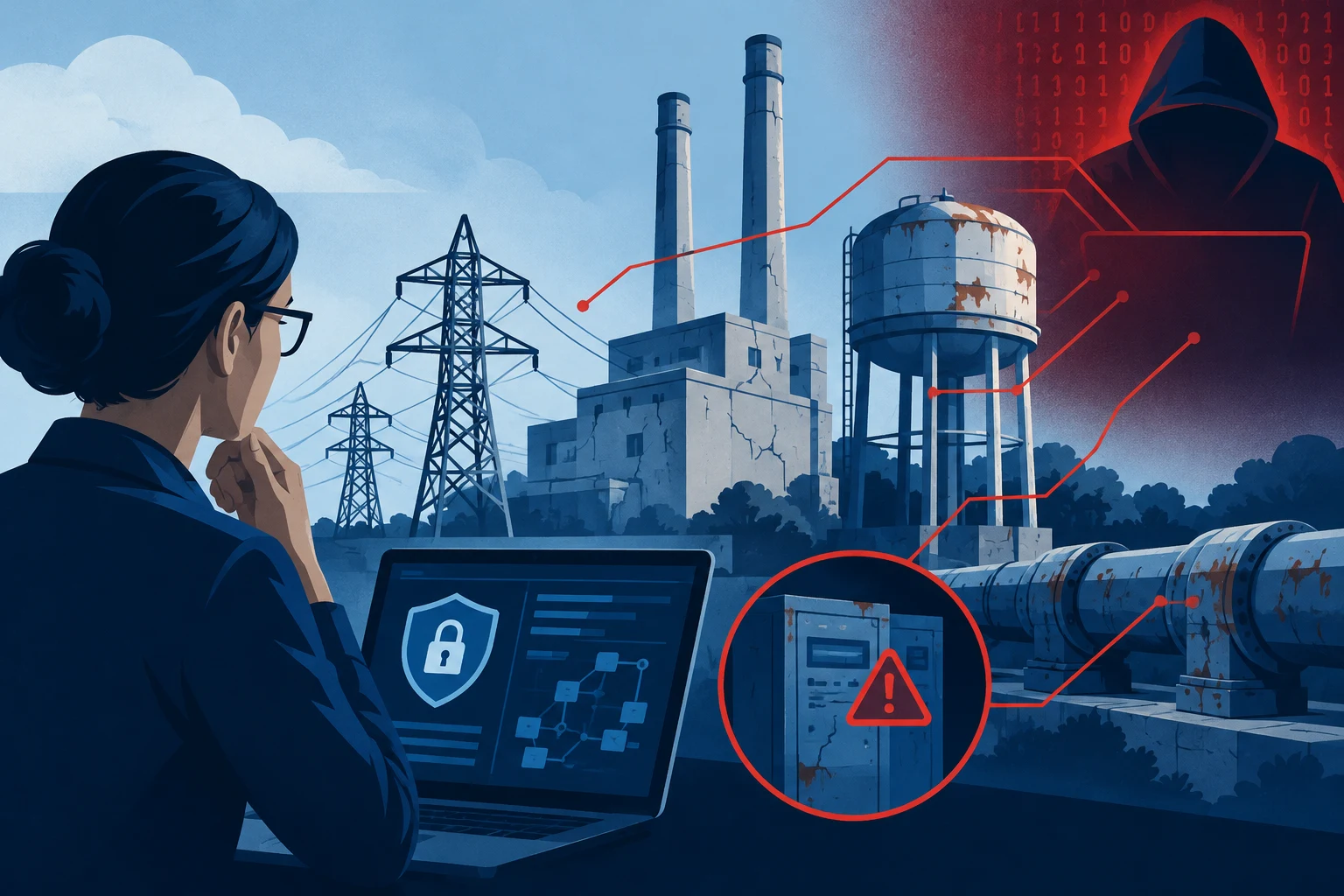
Walsh pointed to older operational technology as a concern. He said industrial facilities in sectors such as food production, pharmaceuticals, oil and utilities may rely on equipment that has been in service for 15 to 20 years. Such equipment can be costly and difficult to replace, and operators may be reluctant to take it offline for upgrades when it remains functional, he said.
The report also cited Danfoss, a Danish manufacturer of commercial refrigeration systems, as having said that many affected units in France were legacy systems no longer receiving updates. Fox News Digital said it contacted the company for comment; the supplied material does not include a response.
Walsh argued that infrastructure operators should focus not only on preventing intrusions but also on limiting damage and restoring operations if attackers get in. He described this as a shift from a security approach based on keeping adversaries out to one that assumes a breach may occur and seeks to contain its impact. His warning that a hostile actor could have placed a dormant foothold inside U.S. infrastructure was presented as a possibility, not as evidence that such access has been discovered.
He also said recent cyber incidents could represent attackers testing methods against real targets. Walsh cited what he described as a coordinated 2026 cyberattack on Minnesota water systems and warned that water, wastewater and food supply systems could be targets in attempts to disrupt the economy. The report supplies no technical details or independent confirmation about that Minnesota event, so the characterization rests on Walsh’s account.
Amy Kremer, chair of the organization Humans First, raised a separate concern about the spread of internet-connected devices. She said connected appliances and home devices, including thermostats, can create vulnerabilities, while acknowledging that technology also provides convenience and helps people communicate. Her comments were general warnings; the report does not describe a specific compromise of a household device.
Walsh said he sees a pattern of cyber activity across the United States, France and the United Kingdom and suggested that a geopolitical adversary may be practicing its capabilities. The supplied report does not identify a responsible actor or establish a link among incidents in those countries. His assessment remains an attributed warning rather than a confirmed conclusion.
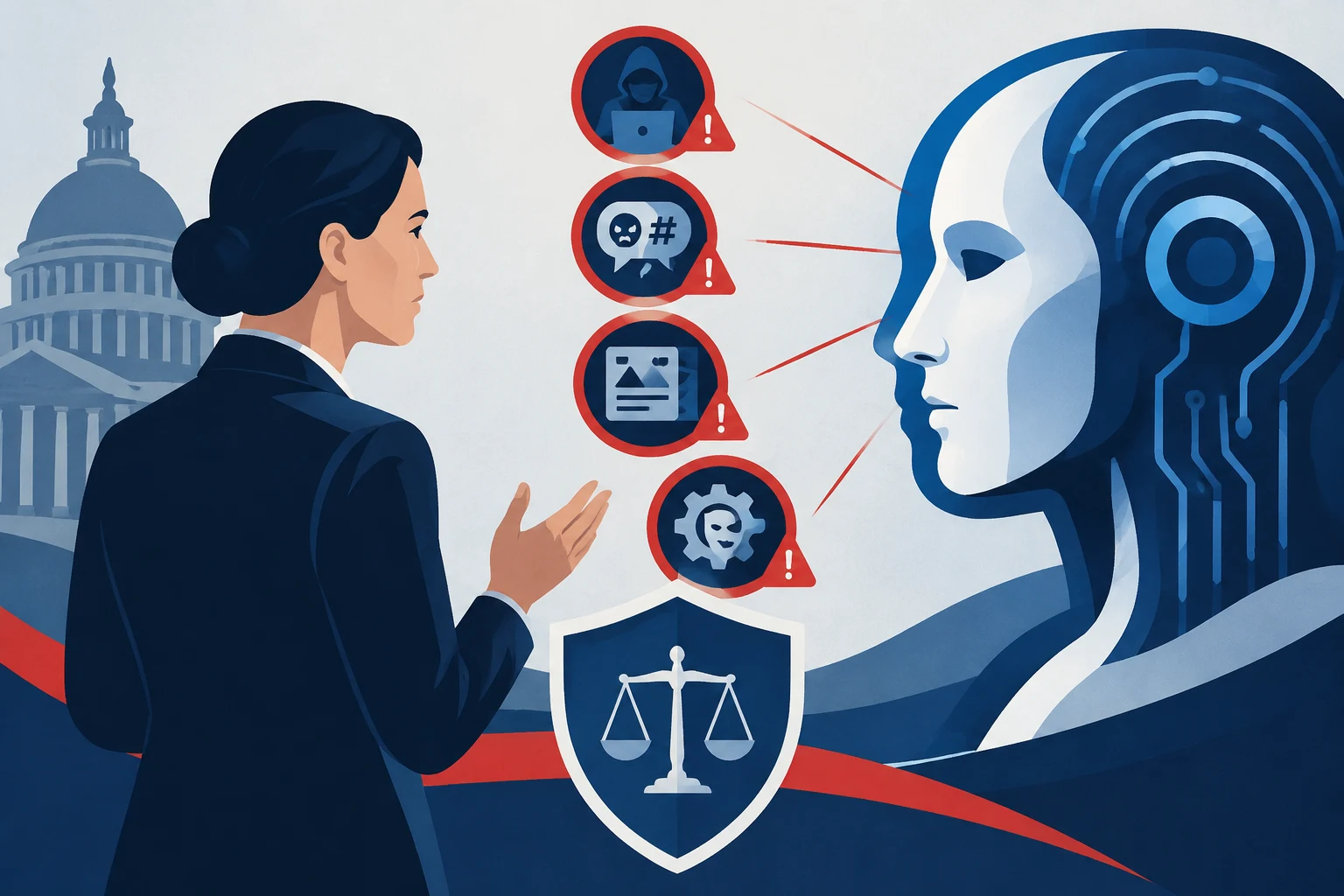
The report’s central message is that aging equipment and growing reliance on digital systems can complicate efforts to protect essential services. It presents expert calls for stronger safeguards and resilience planning, while leaving key questions about the reported incidents, their perpetrators and any confirmed access to U.S. infrastructure unresolved.