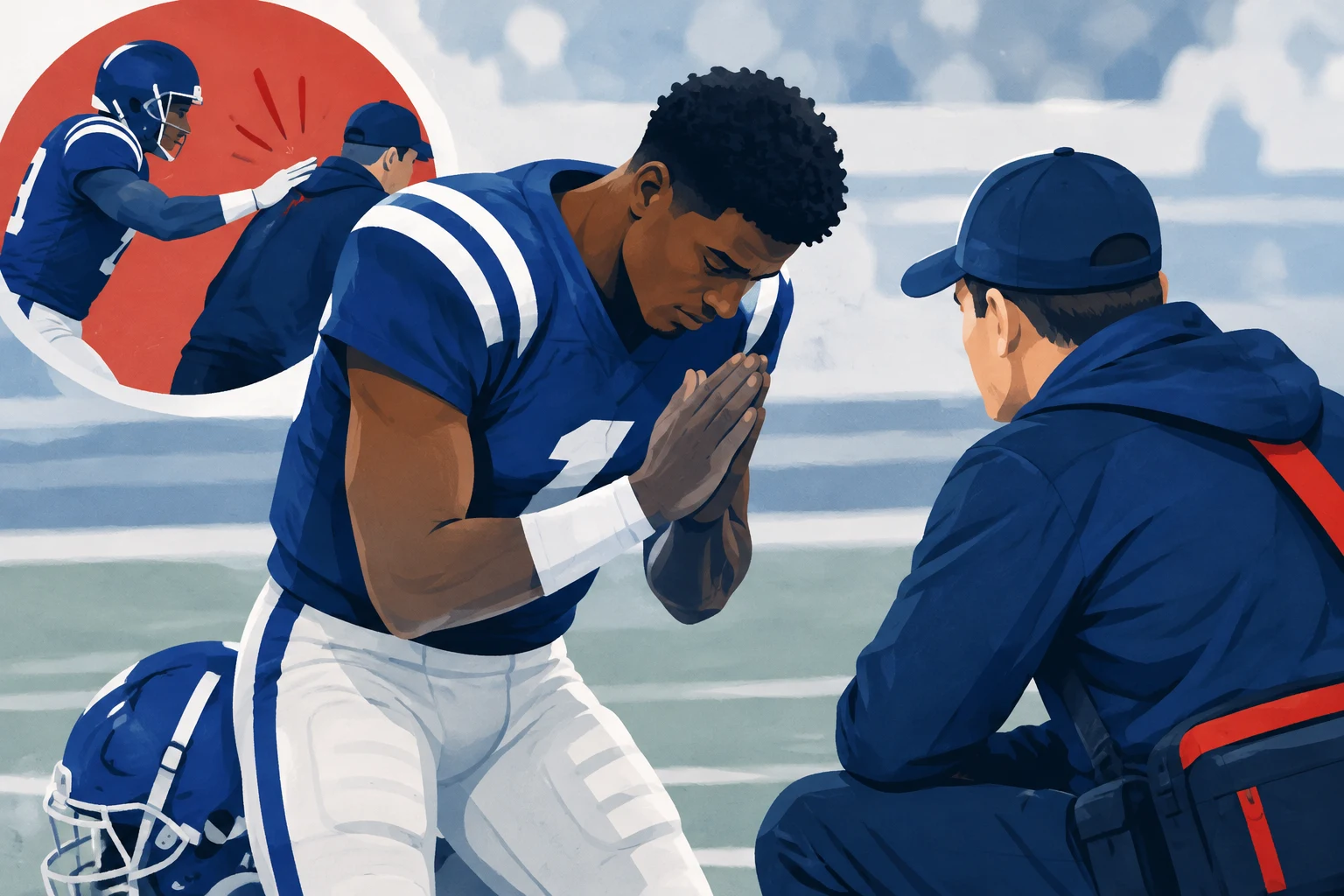



Ohio Gov. Mike DeWine signed an executive order Tuesday allowing colleges and universities in the state to decide whether certain athletes who graduated from high school in 2022 may compete for a fifth season. The NCAA’s rule bars an additional season for athletes who have already played four seasons.
DeWine said in a statement that fairness should remain a consideration when rules change, and that he wanted Ohio athletes to have the same opportunity as athletes in other states. The order gives Ohio institutions discretion to allow eligible athletes to compete despite the NCAA’s position.
The NCAA disputed the move. In a memo to member schools, NCAA President Charlie Baker said a governor cannot set NCAA eligibility rules. He argued that allowing one elected official to make separate rules for schools in a state would undermine athletic competition. Baker also urged Congress to pass the Protect College Sports Act, which he described as a way to establish rules for athlete compensation and legal challenges.
Baker said NCAA members had unanimously adopted the age-based eligibility change and cited a recent Ohio Court of Appeals decision supporting the organization’s position. He also referred to other appellate rulings, saying courts had recognized the importance of consistent eligibility standards and the disruption that could result if rules varied between institutions or states. The NCAA said it would protect the interests of member institutions and athletes.
Ryan Downtown, an attorney representing athletes in an Ohio eligibility case, welcomed DeWine’s action in a statement to OutKick. He said the order could help ensure Ohio athletes receive treatment comparable to their peers and called on the NCAA to stop opposing a fifth year for the 2022 high school graduating class. The report said there was no immediate response from Ohio’s eight Division I programs, including Ohio State, Cincinnati and six Mid-American Conference schools.
The order arrived amid several lawsuits challenging the NCAA rule. Athletes bringing those cases say the restriction is unfair to the 2022 class and prevents them from earning money through name, image and likeness agreements or sharing in revenue flowing from schools to athletes under the House settlement. These are claims made by the plaintiffs; the supplied report does not establish them as court findings.
A prominent case, Wisne v. NCAA, also had a development Tuesday concerning how the athletes would show economic harm from the eligibility restriction. A lower-court judge had granted NCAA athletes who graduated high school in 2022 a fifth year for the current school year. An appeals court blocked that order, and a three-judge panel of the U.S. 10th Circuit Court of Appeals heard arguments in Denver. The panel did not issue an immediate decision.
The report said the judges questioned the plaintiffs’ attorney about how the athletes defined the relevant market. That issue matters to their effort to show harm in an antitrust case, according to the account. A ruling for the NCAA could set a significant precedent, but would not necessarily end the broader litigation.
The source report said the NCAA had also prevailed in cases in Kentucky, Ohio and Arizona, while litigation continued elsewhere. It cited a Louisiana case that led LSU to consider two football players who had spent part of the summer in NFL training camps. The report described DeWine’s order as a possible catalyst for further legal disputes, but included no immediate statement from other governors about adopting similar measures.