
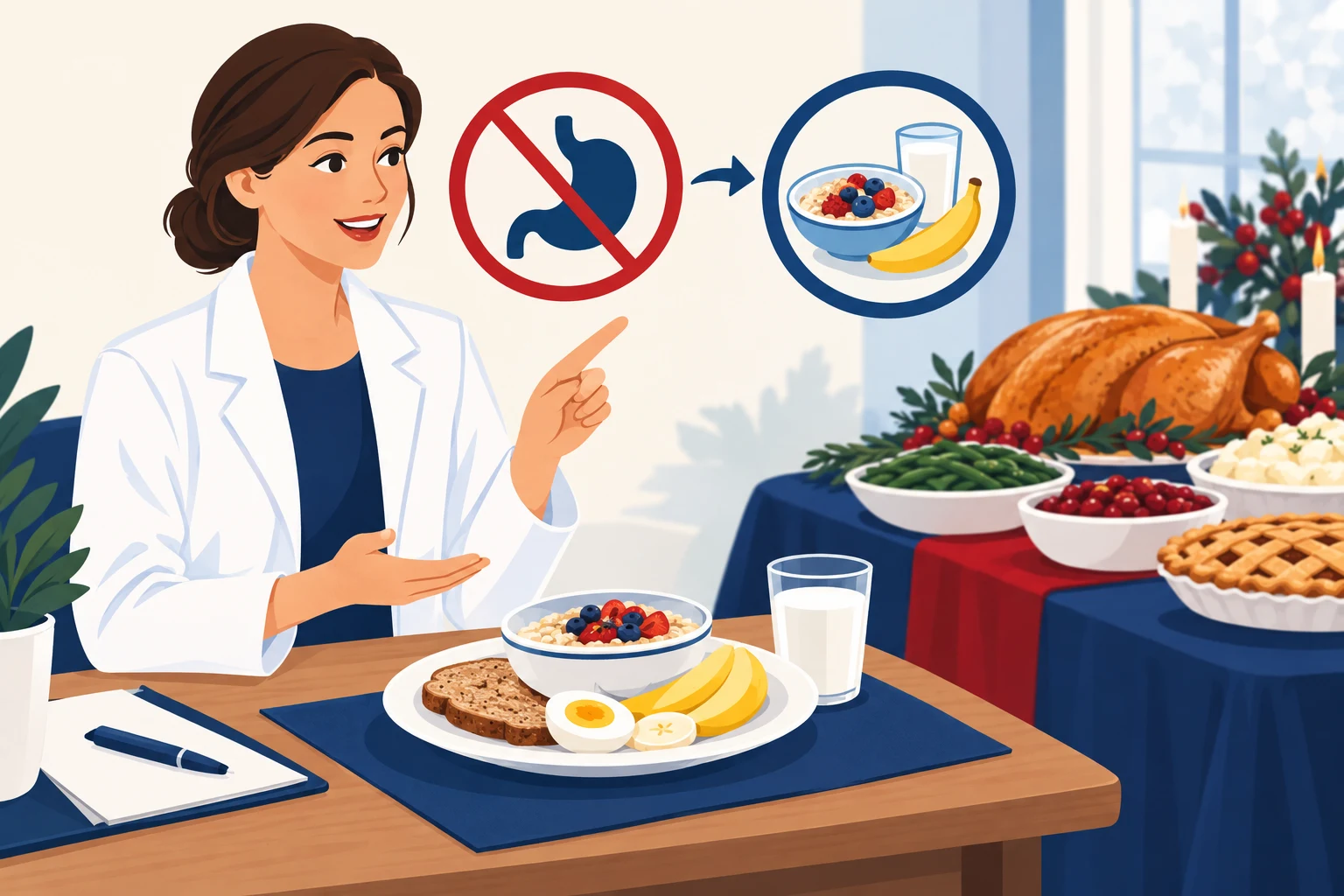
In a report published Nov. 25, registered dietitian nutritionist Gabrielle Kishner cautioned against skipping breakfast to make room for a large holiday dinner. She said going many hours without food can bring on low-blood-sugar symptoms such as headaches, nausea and irritability, and may lead people to eat rapidly once the meal begins.
Kishner told Fox News Digital that intense hunger can also increase cravings for carbohydrates and sugary foods. She recommended eating a balanced breakfast within two hours of waking and avoiding stretches longer than four to six hours without food.
For breakfast, Kishner suggested combining carbohydrates, protein, fiber and healthy fats. Examples she offered included Greek yogurt with berries and chia seeds, or avocado toast with hard-boiled eggs. If the main meal is scheduled for early afternoon, she said a snack pairing two nutrient groups, such as vegetables and hummus, can help bridge the wait.
The report also cited previous research finding that skipping daytime meals was associated with higher blood-glucose spikes after dinner than eating regular meals. It described other research linking habitual breakfast omission with disrupted circadian rhythms, impaired insulin sensitivity, a slower metabolism and compensatory eating later in the day. The article did not identify the specific studies behind those findings.
For assembling a plate, Kishner advised making half of it fiber-rich fruits and vegetables, then dividing the other half between protein, such as turkey, and carbohydrates, such as stuffing or mashed potatoes. She said eating the produce first may slow digestion and help with fullness.
Kishner also recommended eating at a measured pace. The report cited the Cleveland Clinic for the estimate that it takes about 20 to 30 minutes for the stomach to send fullness signals to the brain. Eating quickly, Kishner said, can make it harder to chew food thoroughly and may contribute to bloating and discomfort. She suggested pausing midway through a meal to check hunger and waiting 10 to 20 minutes after finishing a plate before considering seconds.
For dessert, Kishner advised taking small portions of rich, creamy or sugary foods, which she said take longer to digest. She did not recommend ruling out favorite foods altogether.
After a large meal, Kishner suggested a gentle 10- to 15-minute walk with family or friends. The report said blood sugar generally peaks 30 to 90 minutes after eating and that brief, light-intensity walking can reduce glucose spikes and help keep insulin levels steady. Kishner also recommended drinking water throughout the day.
Her final advice was not to respond to overeating by restricting food or skipping breakfast the next morning. She said that could restart a cycle of blood-sugar drops and overeating.