A New York City internist has recommended a varied diet built around lean protein, vegetables, fruit and selected fats for people seeking to manage abdominal fat. Dr. Michael Aziz told Fox News Digital that excess fat around the midsection can indicate visceral fat, which sits deep in the abdomen and is linked to health problems.
Aziz said people with excess midsection fat face greater risks of heart attack and stroke. He acknowledged that genetics can contribute to obesity, while saying diet and regular exercise are choices people can make to support their health.
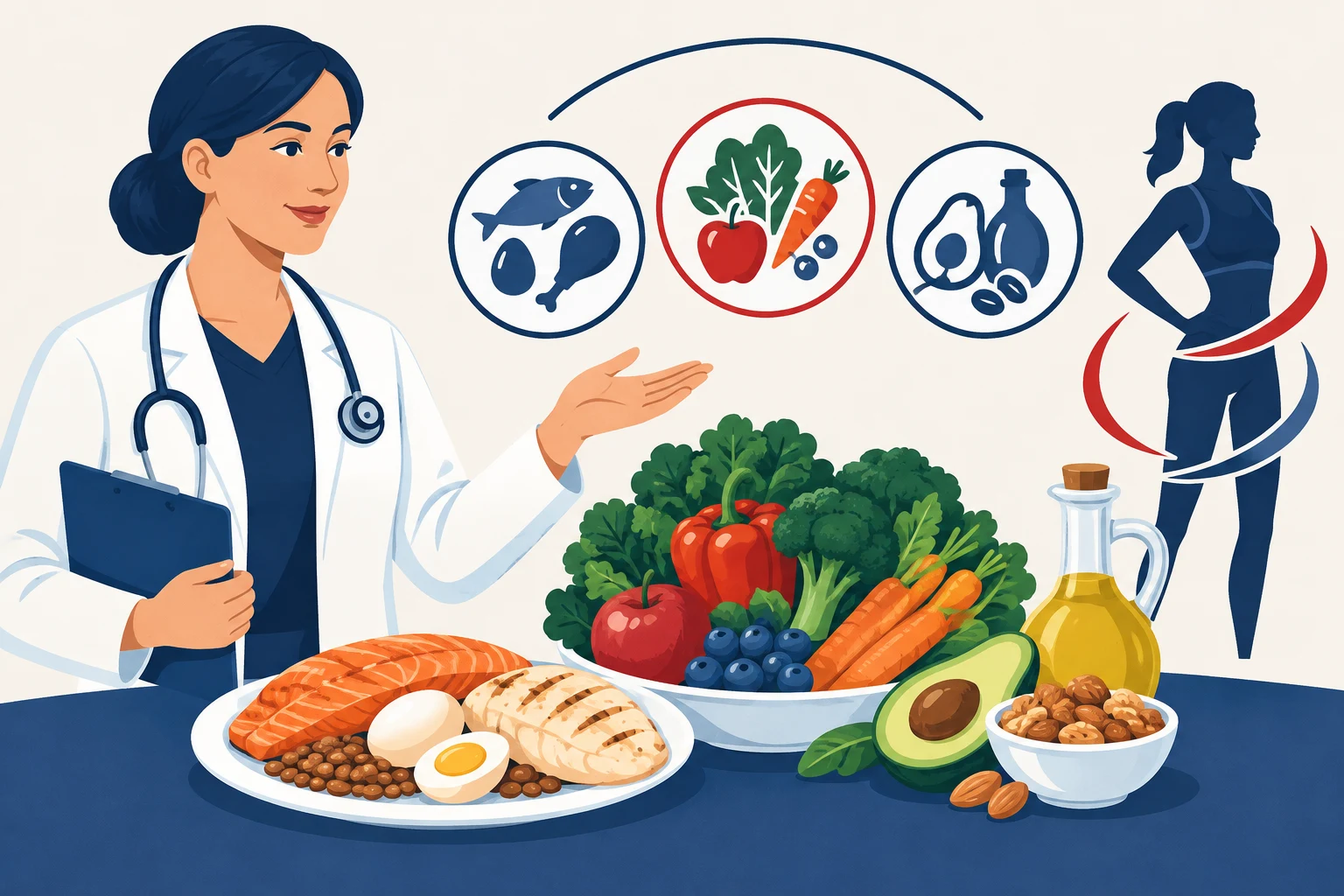
His protein suggestions include chicken breast and eggs, which he described as filling options that are relatively low in calories. Aziz said some studies have found high-protein diets may help burn additional calories, but he also warned that excessive protein consumption can raise the risk of kidney stones, heart attacks and strokes.
The American Heart Association, cited in the report, says red meats such as beef, pork and lamb generally contain more saturated fat than skinless chicken, fish and plant proteins. It notes that saturated fat can raise blood cholesterol and increase heart-disease risk. For meat-free protein, the report points to edamame, tempeh and tofu, citing Johns Hopkins Medicine.
Aziz also advised including vegetables, describing them as low-calorie and fiber-rich. He singled out lettuce and salads, while suggesting that adding lean protein and healthy fats can make a meal more satisfying. For fruit, he recommended lower-sugar berries. The report also cites Harvard Medical School on apples, citrus and stone fruits, including cherries and peaches, as sources of vitamin C and fiber with anti-inflammatory properties.
Aziz pushed back against avoiding all dietary fat. He said some fats can contribute to feeling full and recommended including a modest amount with meals. Examples of monounsaturated-fat sources listed in the report include olive oil, avocados and walnuts; butter and cheese were also mentioned as foods containing fat.
For beverages, Aziz recommended water and said green tea and coffee could be included in moderation. He told Fox News Digital that caffeine may help boost metabolism. He also advised limiting refined carbohydrates and sugar, saying they can raise cholesterol and are less likely to keep people satisfied for long.
The recommendations are attributed to Aziz and the organizations cited in the report; the material does not provide detailed study references or specific dietary guidance tailored to individual medical conditions.