A growing share of Americans appear to be going without regular gatherings at home, according to survey figures cited in a recent analysis by Data for Progress. The findings describe a longer-term shift, although the organization cautioned that differences in survey methods limit direct comparisons between some years.
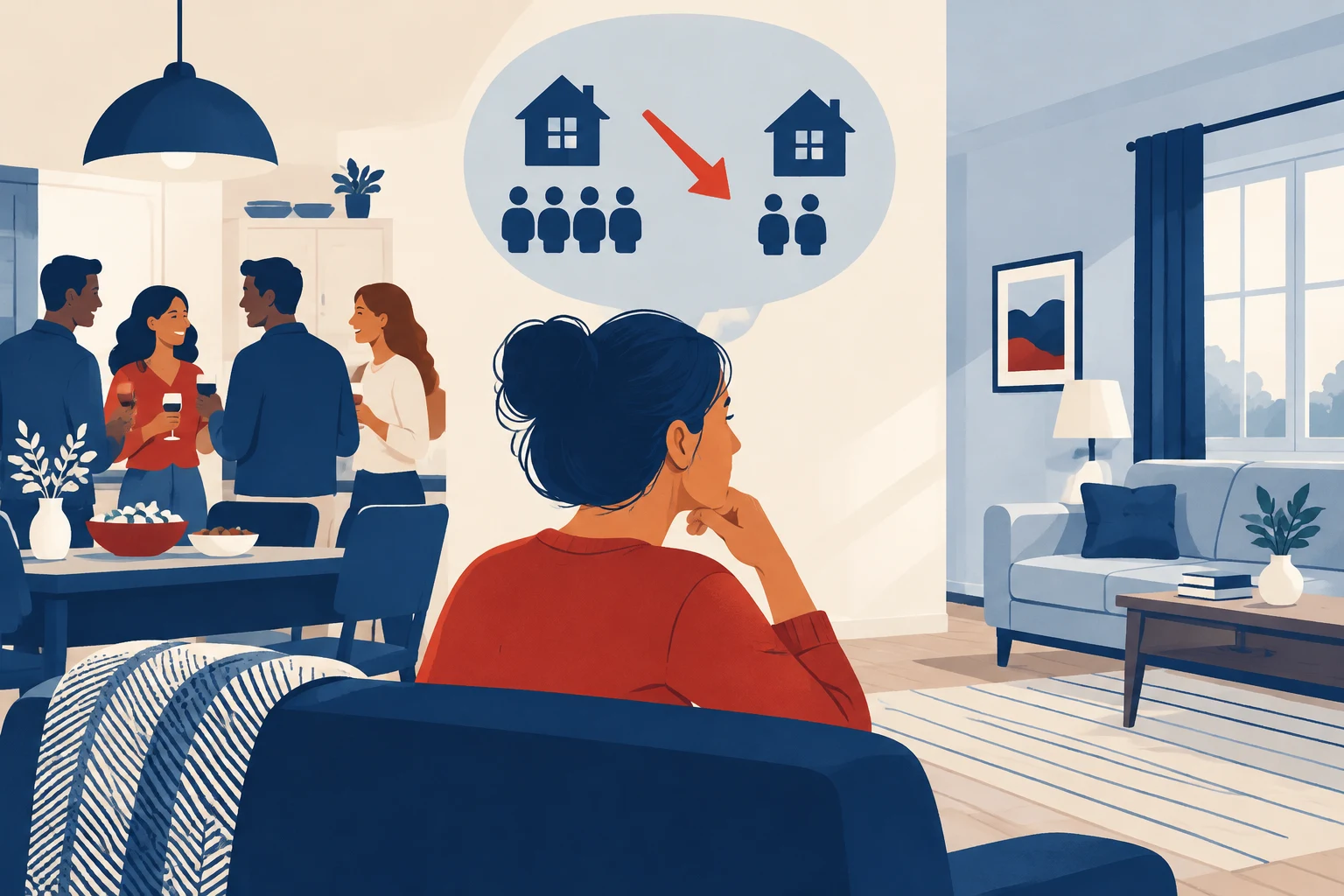
In the think tank’s 2026 survey, 67% of respondents said they had entertained people at home at least once in the previous year. A similar survey from 1995 found 88%. Data for Progress said the surveys used different methods, so the results should be read as an indication of a possible trend, not an exact measurement of how much hosting changed.
A separate comparison reported by The Atlantic found that the share of Americans who hosted friends or relatives at least monthly fell from 42% in 1975 to 12% in 2026.
Experts quoted in the source offered several possible explanations, rather than identifying a single cause. Work schedules and family responsibilities can leave people with less time and energy to organize a gathering. John Puls, a Florida-based psychotherapist, told Fox News Digital that people working multiple jobs may feel burned out and have less capacity for socializing. Shebna N. Osanmoh I, a California-based psychiatric nurse practitioner, said that after work and childcare, hosting may feel like another obligation—even for people who want to see friends.
Expectations around entertaining may also make it harder to invite people over. Licensed clinical psychologist Wildaliz Caro said pressure to create an impressive or picture-perfect event can make hosting stressful. The source also notes that planning around guests’ preferences and dietary needs can add to the work.
Cost and living arrangements are other potential barriers. Feeding a group can be expensive, while housing costs and smaller homes can make hosting less practical, according to Daniel Schatz, a political scientist quoted in the report. The source does not quantify how much each of these factors contributes to the decline.
The analysis also describes a reduction in close friendships: Data for Progress figures show the share of Americans reporting five or more close friends fell from 63% in 1990 to 38% in 2021. Schatz said Americans spend more time alone and take part less often in local institutions that once brought people together. He identified younger adults, people who live alone, lower-income households and those with weaker social networks as groups he believes face particular effects.
The U.S. surgeon general’s 2023 advisory characterized loneliness and social isolation as an epidemic. Puls said reduced friendships can contribute to depression, anxiety and isolation, and told Fox News Digital he sees the pattern especially among younger people. These are expert observations included in the source; the survey figures alone do not establish why people host less or what health outcomes follow for individuals.
At-home entertainment may provide another alternative to social plans. Puls said some adults prefer streaming television or movies rather than hosting or going out. Schatz contrasted the effort involved in planning, cleaning and coordinating a dinner party with the relative ease of streaming or scrolling.
The experts’ suggested response was to make socializing less formal, not to recreate elaborate dinner parties. Schatz recommended simple, repeatable activities such as coffee, a takeaway meal, a walk or an informal evening with friends. His stated aim was to encourage ordinary, regular contact rather than perfect events.