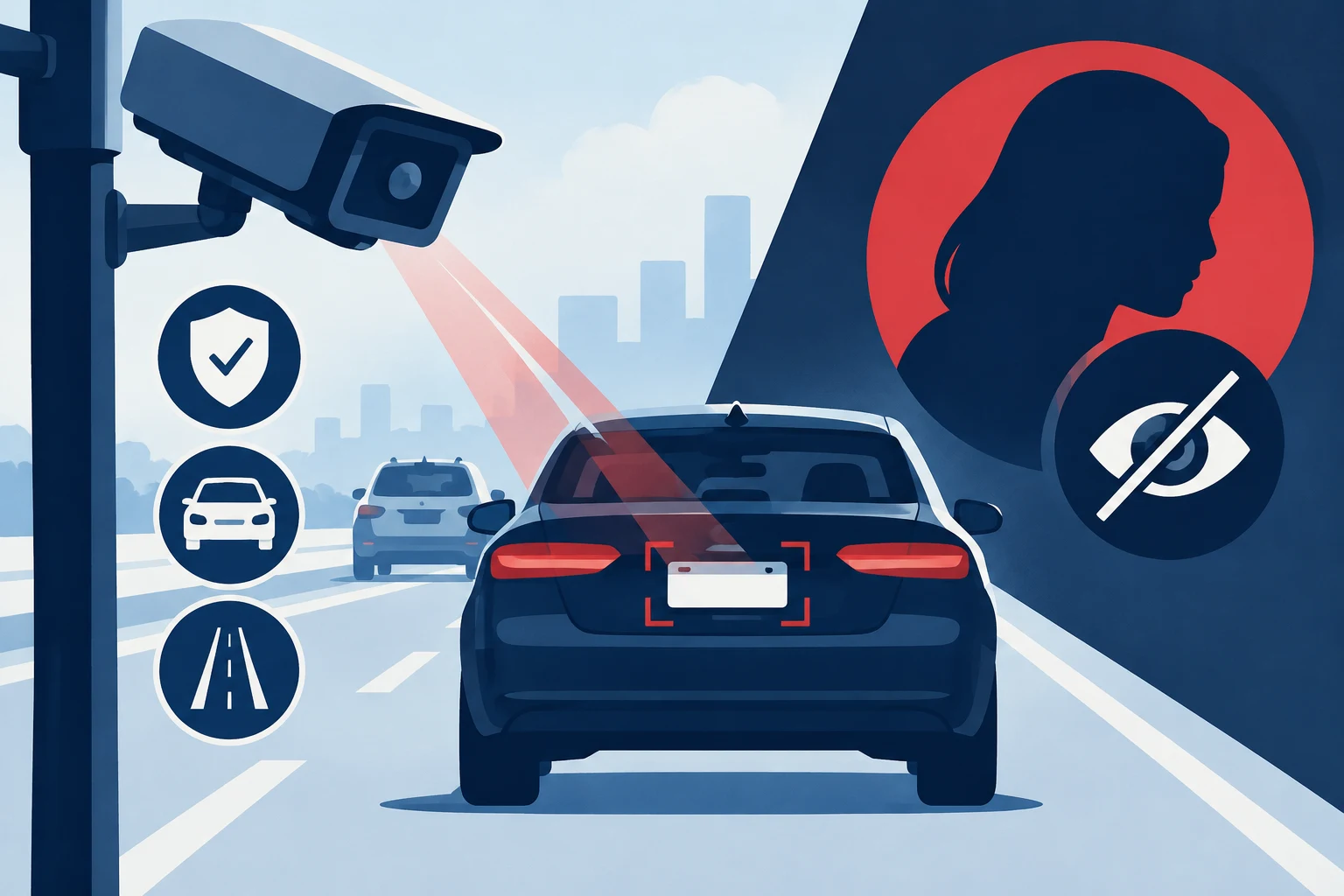
Flock Safety is defending its automated license-plate reader cameras as a law-enforcement aid while civil-liberties advocates question the technology’s privacy risks and the company’s claims about its effectiveness.
Phil Arnold, a Flock public affairs manager and retired police chief, told Fox News Digital that the cameras can help investigators identify vehicles connected to reported crimes, including thefts and hit-and-runs. He said officers need a dispatch or case report number to access data and that the information is retained for 30 days.
Flock shared internal data comparing crime-clearance rates in cities with its cameras to rates in nearby communities without them. The figures included higher reported clearance rates for some offenses in Hendersonville, Tennessee, than in Nashville, and in Burlington, North Carolina, than in Hillsborough. The company also said Eugene, Oregon, saw clearance rates decline after its cameras were removed in October 2025.
Those comparisons do not, by themselves, establish that the cameras caused the differences. Chad Marlow, an American Civil Liberties Union policy counsel, told Fox that factors such as city size, crime levels and police staffing could affect the results.
The technology has also faced legal and public scrutiny. The source reports that a federal judge in Oklahoma ruled Thursday that a deputy violated a woman’s Fourth Amendment rights by using Flock data about her past driving to stop her. The report also cites a Washington Post analysis identifying at least 50 cases of officers misusing automatic license-plate readers, including in stalking cases.
Arnold said Flock supports legislation to regulate the technology and prevent misuse. Marlow questioned the company’s motivation, arguing that its support for regulation and shorter data retention came amid public backlash. Communities remain divided over whether the cameras’ investigative value justifies collecting vehicle-location data.