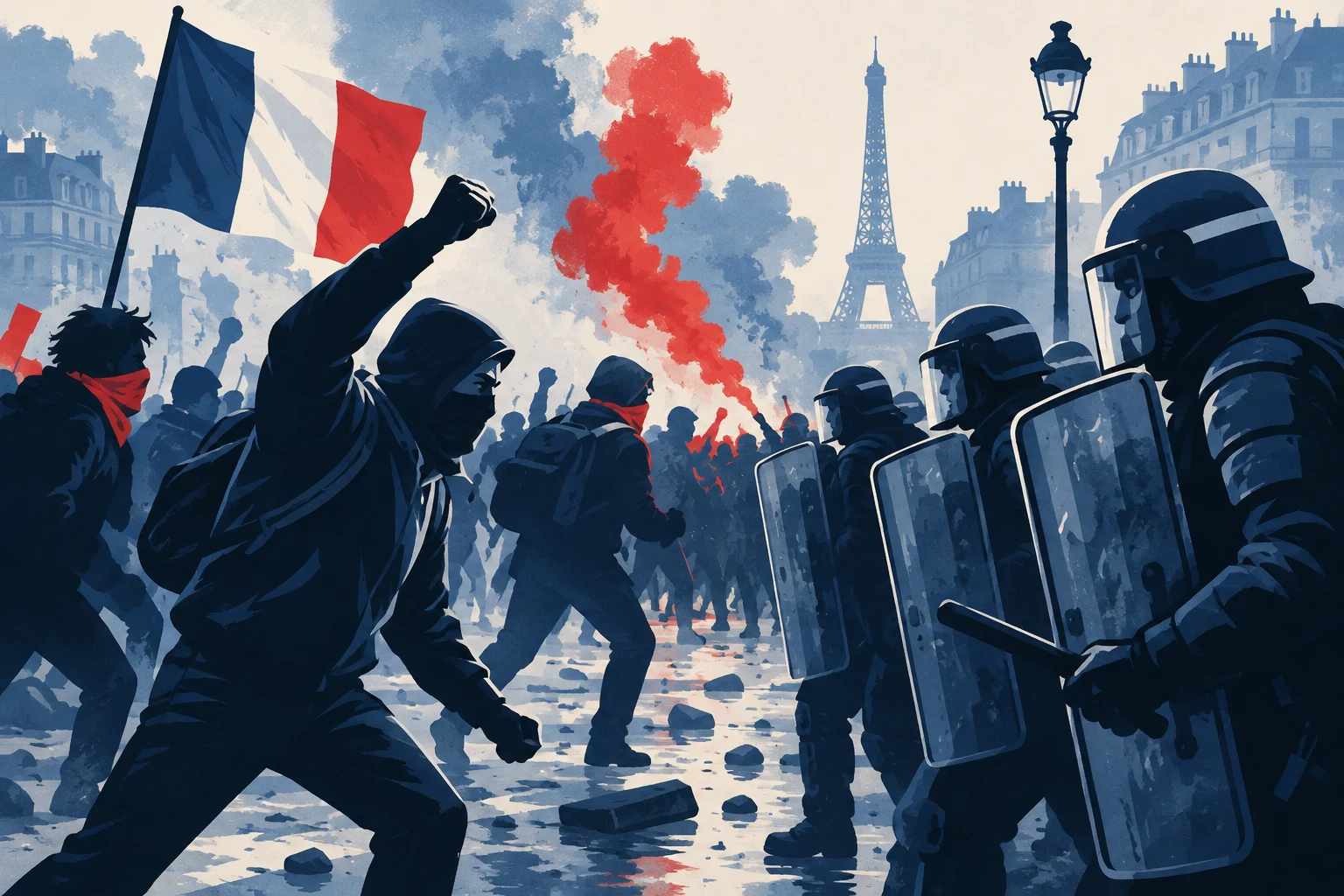
Violent confrontations were reported in France on Saturday as protests over living costs and education issues continued for a fourth week. The Interior Ministry said at least 272 people had been arrested nationwide. Many demonstrations remained peaceful, but police used tear gas and water cannons against violent groups in Paris, where masked and hooded participants threw fireworks and other objects at officers near Place de la République. The ministry also reported assaults on police, looting and damage to public buildings.
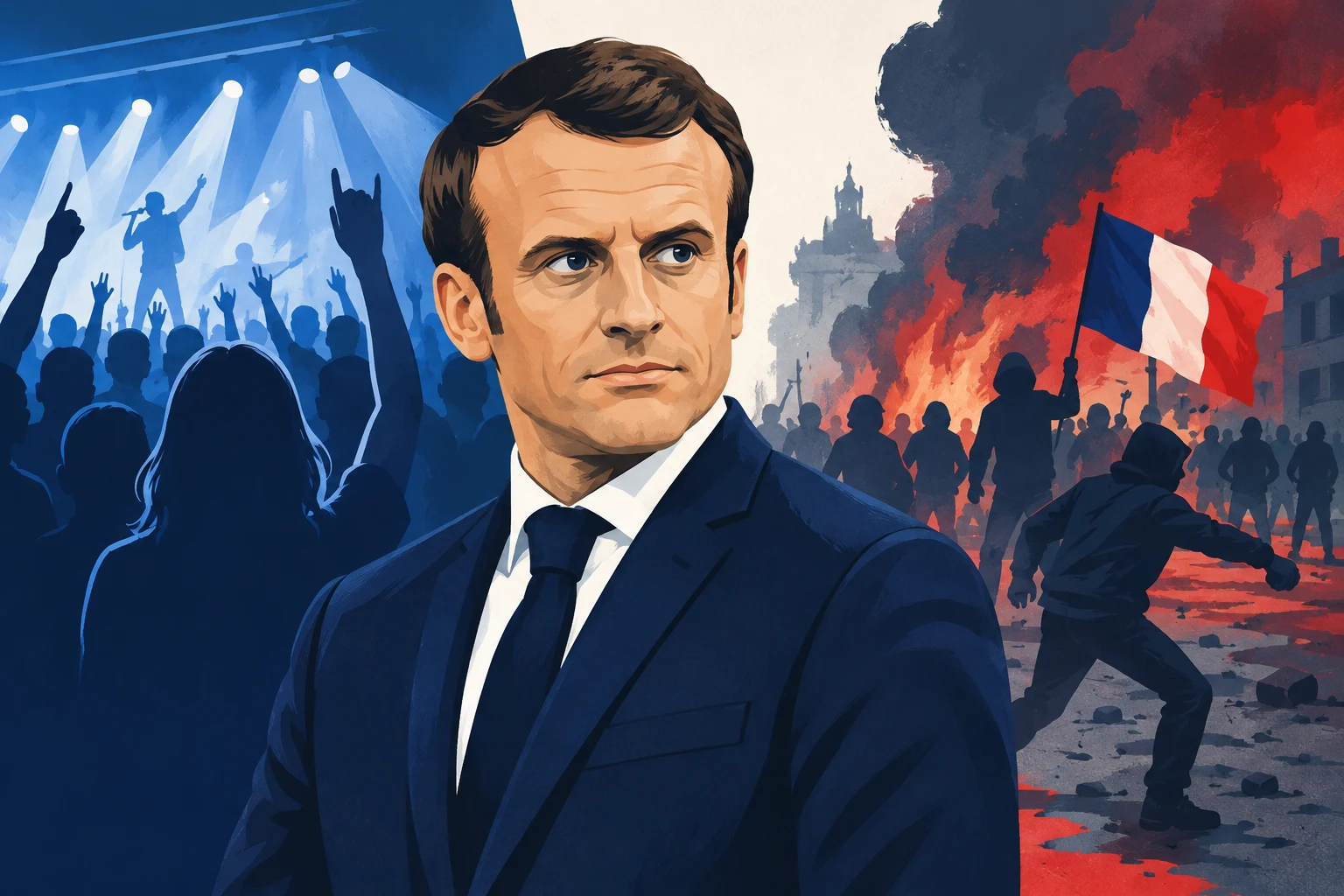
President Emmanuel Macron addressed the unrest at a cabinet meeting earlier in the week. Government spokeswoman Maud Bregeon told Agence France-Presse that Macron recognized that young people had legitimate concerns, but said those concerns were being exploited for political purposes and channeled into urban violence. He asked ministers to develop concrete responses within weeks, Bregeon said.
Prime Minister Sébastien Lecornu accused allies of the left-wing France Unbowed party, known as LFI, of using the student movement for electoral purposes. LFI presidential candidate Jean-Luc Mélenchon took part in a Paris demonstration during the week, while party officials joined student blockades in several cities, according to the report. Macron is in the final six months of his term. The next presidential elections are scheduled for April and May, and opposition parties have weighed in on the unrest. Marine Le Pen, the National Rally’s leading candidate, expressed support for police and blamed students for violence.
Police conduct has also become a point of dispute. Students, unions, rights groups and parents have accused officers of excessive force. The Interior Ministry has opened internal investigations into 36 allegations of police violence against demonstrators, AFP reported. Meanwhile, the Alliance Police Nationale union said it had sued the government, arguing that contradictory instructions put officers’ lives at risk. The union said officers felt abandoned by political leaders and criticized what it described as unclear direction and public expressions of sympathy toward rioters.
At Friday’s European Council summit in Brussels, Macron defended the right to protest while urging demonstrators to respect people and property and avoid destruction. Lecornu told Parliament that 937 police officers and 149 teachers and school staff had been injured since the protests began. The Justice Ministry reported nearly 8,000 arrests over the course of the demonstrations.
The unrest has prompted demonstrations in neighboring Belgium. Reuters reported that several hundred people, mostly young, protested in Brussels on Saturday and clashed with police. A demonstration also took place in Liège, a French-speaking city. Student groups said they were objecting to education costs and reforms they believe could make higher education harder to access. Belgian Interior Minister Bernard Quintin characterized the events in his country as organized violence and said authorities would use necessary means to restore order.
Solidarity gatherings in Luxembourg and French-speaking parts of Switzerland were peaceful, with no arrests reported. Student demonstrations also took place in India during the week over education issues, but the report said they did not appear connected to events in France.
French authorities expressed hope that demonstrations would subside as schools across the country close for the Toussaint holiday until Nov. 2. The reporting described competing claims about the causes of the unrest, police conduct and political involvement; the available account does not resolve those disputes.