


As Americans prepare to vote in the 2026 midterm elections, household costs have become a central test of the economy. The source report, published October 20, said Election Day was two weeks away and described President Donald Trump and Republican candidates campaigning on the promise of improving economic conditions and lowering costs.
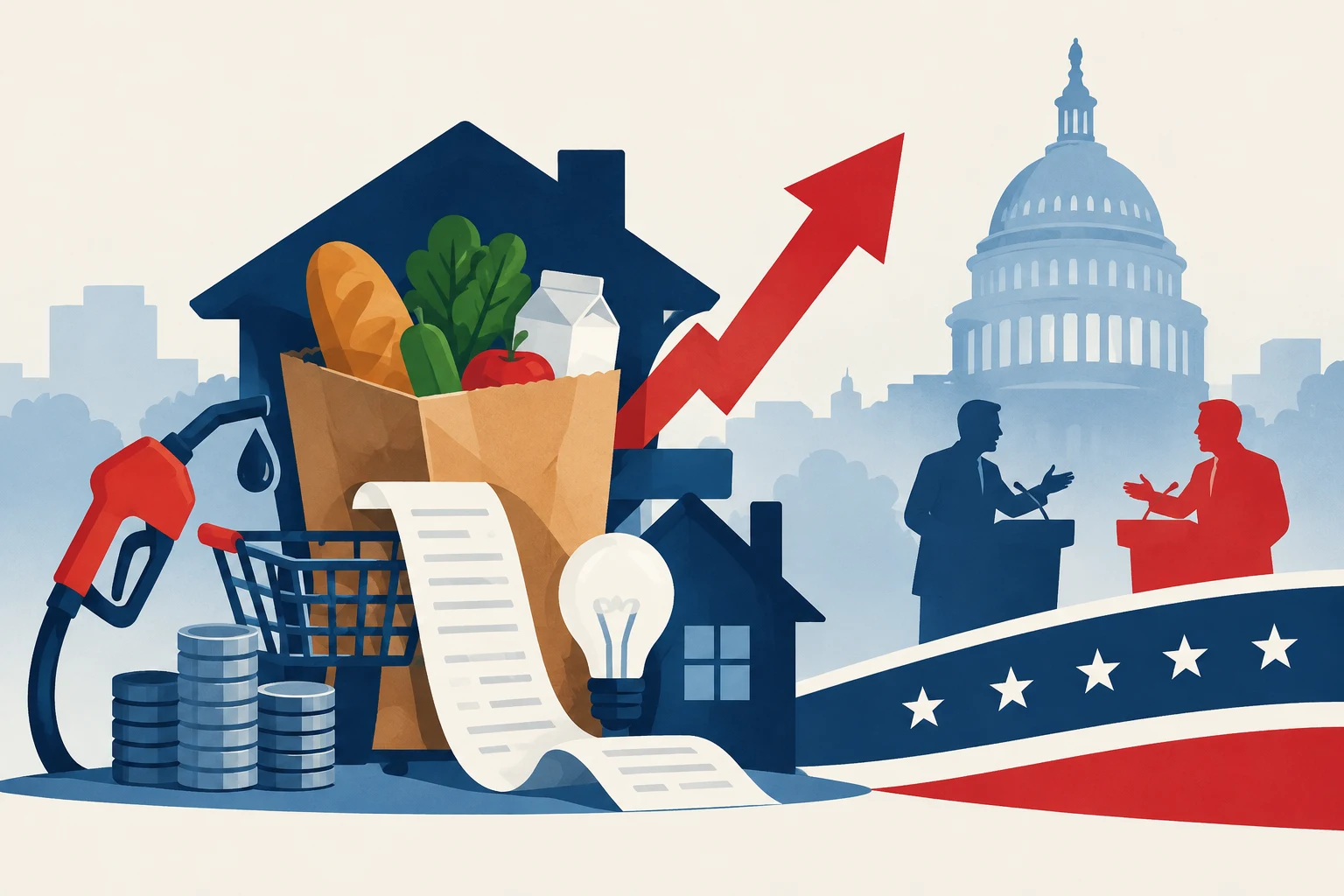
The latest Consumer Price Index figures cited in the report showed prices rising 3.7% over the 12 months through September and 0.6% during September. The CPI measures changes in prices across a broad set of household goods and services, including food, fuel, housing and medical care. It tracks overall price movement rather than the bill faced by any particular household.
Energy costs were among the most notable increases. The gasoline index rose 9.1% in September. The report also pointed to higher diesel costs, which affect transportation of goods by truck, rail and farm equipment. It said those costs can feed into what consumers pay for groceries, packages and building materials.
The report attributed additional pressure on global fuel supplies to disruptions in shipping through the Strait of Hormuz amid the Iran war, as well as interruptions to Russian energy infrastructure. It did not quantify how much either factor contributed to U.S. consumer prices.
Utility prices were also higher than a year earlier. Electricity prices increased 4.4% in September compared with the same month in 2025, and piped natural gas service rose 5%, according to the figures cited. The report noted that individual utility bills vary, so the national index does not establish how much a particular customer paid.
Housing costs continued to rise as well. The shelter index, which includes rents and an estimate of what homeowners would pay to rent their homes, was up 3.2% over the year. The median price of an existing home reached $417,500 in September, a 1.3% annual increase. The report put the average 30-year mortgage rate at 7.4%, adding to the affordability challenge for prospective buyers.
Food prices showed a more mixed picture. Grocery prices declined 0.1% in September, but remained 1.8% above their level a year earlier.
Trade policy is another part of the cost debate. The report cited a New York Federal Reserve study finding that tariffs in place through February added 2.9 percentage points to inflation for consumer goods. Tariffs are taxes on imports; U.S. businesses paying them may pass some costs to consumers. The study also found price increases affecting some domestically made goods, as local producers faced less competition from imports.
The White House has argued that the trade policies will bolster U.S. manufacturing and that foreign exporters bear the costs. The report presents that position alongside the study’s findings, without resolving the disagreement over how the costs are distributed.
The inflation and housing figures offer voters a measure of recent price changes, but they do not assign responsibility for them. With the midterms approaching, Trump and Republican candidates face the task of persuading voters that their policies can make everyday expenses more manageable.