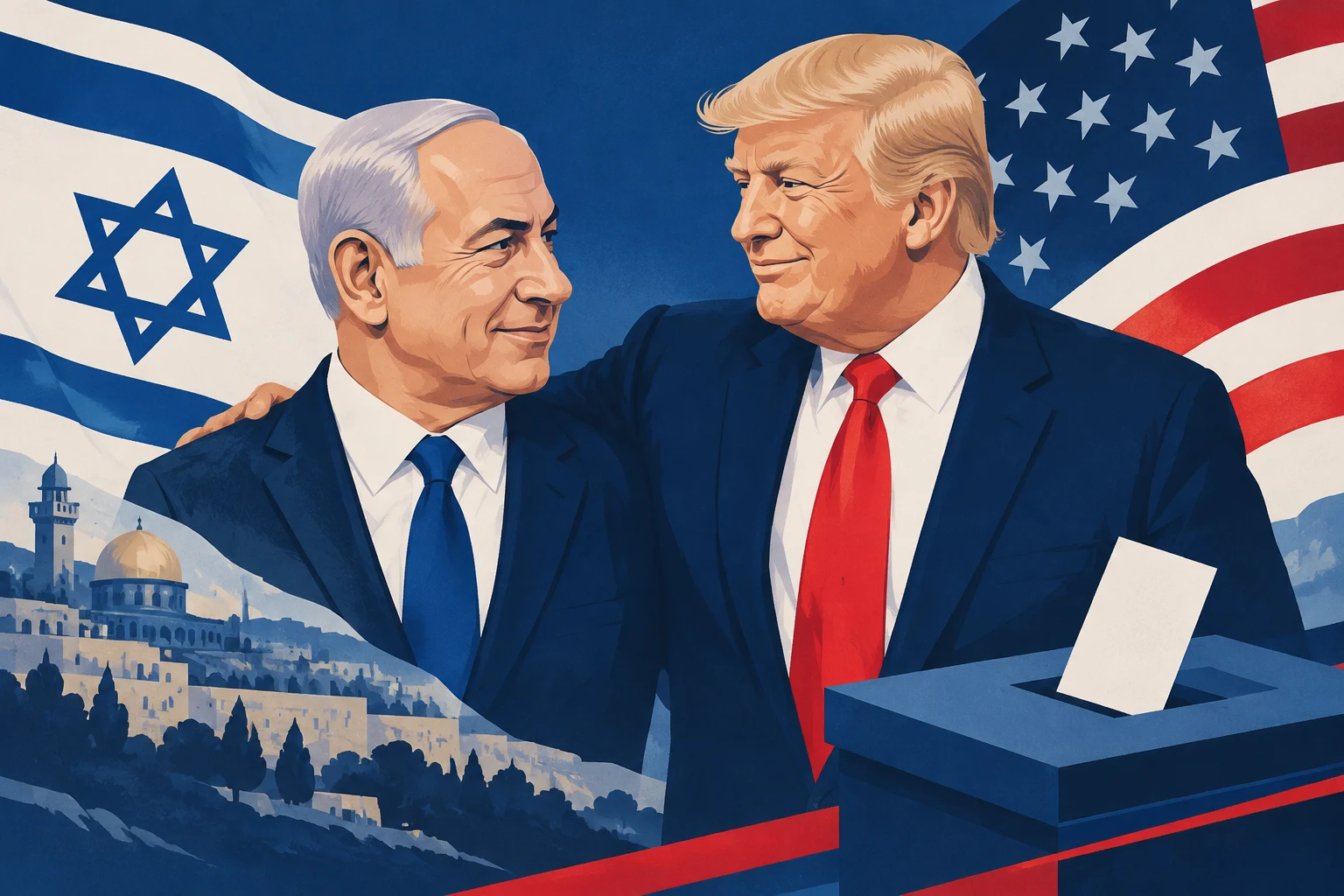
Israeli Prime Minister Benjamin Netanyahu said his relationship with President Donald Trump rests on years of familiarity and shared concerns about security, while acknowledging the two leaders have had disagreements. His remarks came in an interview with Mark Levin for Fox News’ “Life, Liberty & Levin,” scheduled to air Oct. 17, 2026, at 8 p.m. ET.
Netanyahu said he and Trump each make decisions based on their responsibilities to their own countries. He described their interests as often aligning and said he values the relationship. He also praised Trump’s personal manner, saying the president has a sharp sense of humor and can be warm—qualities Netanyahu said may not be widely recognized.
The Israeli leader connected the partnership to what he described as a common danger and the need to protect both countries’ futures. He said that if he wins another term, he hopes cooperation with Trump will continue to contribute to security and peace. Netanyahu stressed, however, that the election comes first: “First, I have to get elected,” he told Levin, adding that he campaigns as though he could lose.
Israel’s national election is set for Oct. 27, the first since the Oct. 7, 2023, attacks and the wars that followed, according to the supplied report. Netanyahu is seeking re-election as Israel’s longest-serving prime minister. The interview did not establish what the election result will be or whether the leaders’ relationship would develop in any particular way afterward.
The report also noted past strain between Trump and Netanyahu. Trump previously confirmed reports of a heated phone conversation in which he criticized Netanyahu over Israeli military operations in Lebanon. Trump also said he loved Netanyahu and characterized their work together positively. Netanyahu later described their dispute as tactical, comparing disagreements between them to those that occur in families.
Netanyahu’s interview comments present a favorable account of the relationship while recognizing that it has not been free of friction. The scheduled broadcast and election are dated events; the remarks do not, by themselves, demonstrate that all policy differences have been resolved.