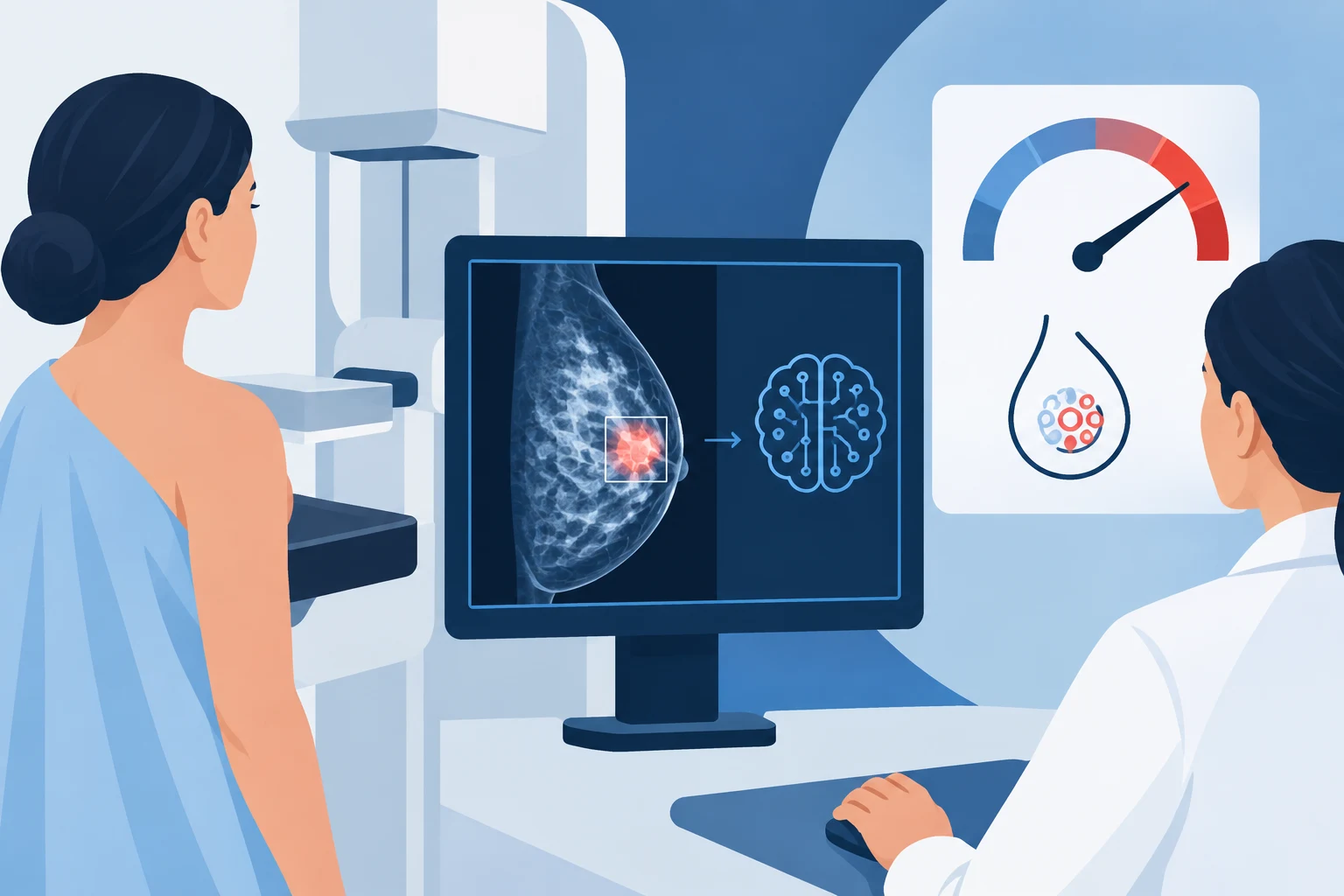
A research team at NYU Langone Health and its Perlmutter Cancer Center tested an artificial intelligence model designed to estimate a woman’s likelihood of developing breast cancer within five years, according to a study published in the American Journal of Roentgenology.
Rather than relying only on a woman’s most recent scan, the model examines changes in breast tissue across multiple years of 3D mammograms. The study used more than 313,000 mammograms from over 161,000 women, the researchers reported.
Connie Lehman, a breast imaging specialist and Harvard Medical School radiology professor who was not involved in the study, told Fox News Digital that mammograms may contain information about future risk beyond whether cancer is visible at the time of the scan. She said AI could help identify risk patterns not captured by traditional assessments, which can include family history and genetic mutations.
The findings could eventually inform decisions about screening tailored to individual risk, Lehman said. Women considered at higher risk could discuss options such as MRI with their health care providers. However, the model is a research tool, not an FDA-authorized clinical product, according to Lehman.
A risk estimate is not a diagnosis and cannot determine with certainty whether someone will develop cancer. Lehman cautioned that a lower score does not remove risk or replace regular mammograms.
The study’s evidence has limitations: its mammograms came from NYU Langone hospitals and were produced using equipment from one manufacturer. Researchers plan to evaluate the model using data from other medical centers and different 3D mammography systems. The source report said Fox News Digital had contacted the researchers for comment.