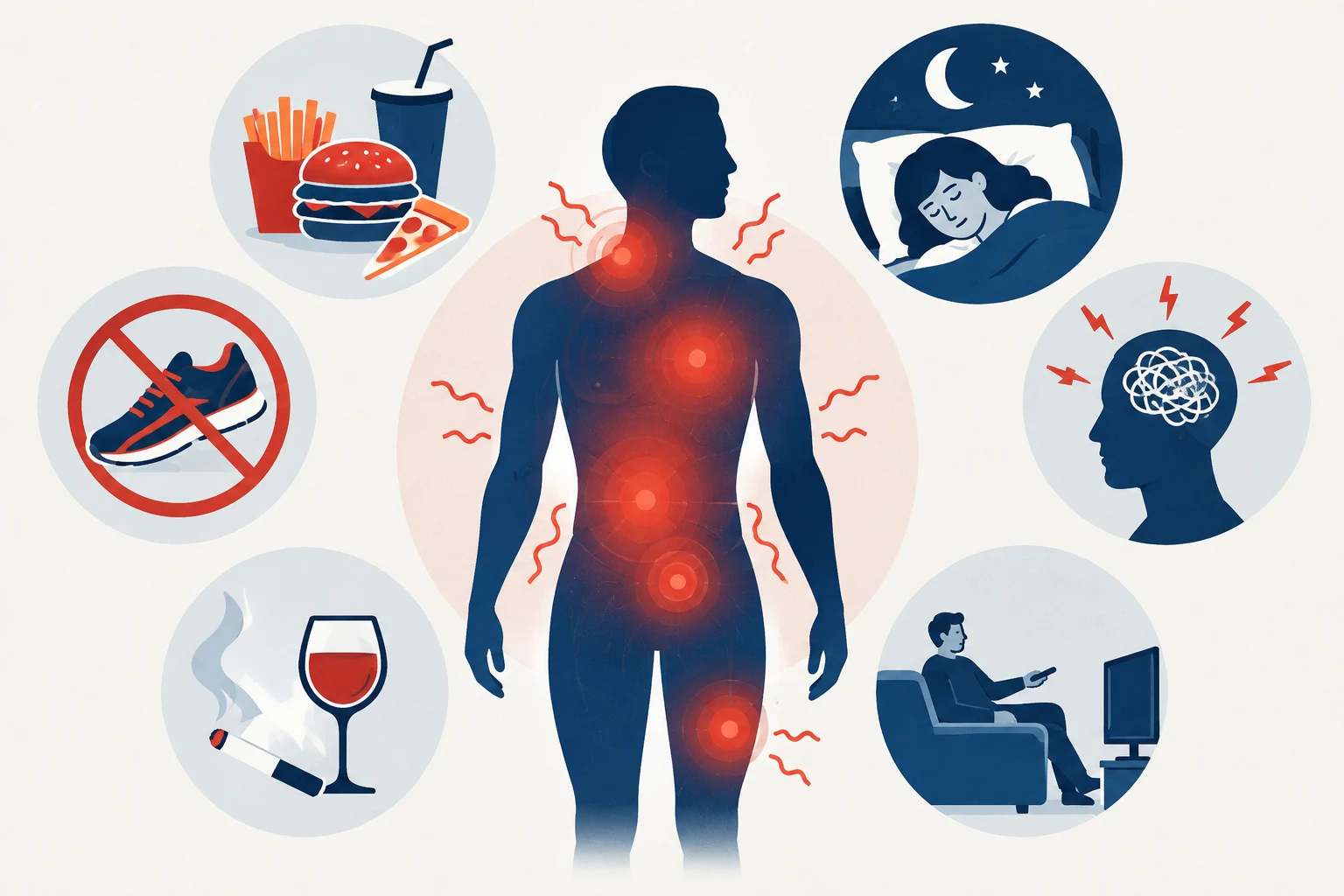
Chronic inflammation is different from the body’s short-term response to injury or infection and can contribute to some diseases, including cardiovascular disease and autoimmune conditions, according to the National Institutes of Health. A Fox News report published Oct. 11, 2026, reviewed everyday factors that may influence inflammation, citing clinical pharmacist and metabolic medicine expert Jim LaValle.
LaValle discussed the relationship among gut microbes, the immune system and the brain, and said stress may affect that system. He told Fox News that prolonged stress can influence cortisol levels and intestinal function, and may aggravate digestive symptoms in some people. The report also noted that symptoms after eating certain foods can have multiple causes and do not, on their own, establish a food sensitivity.
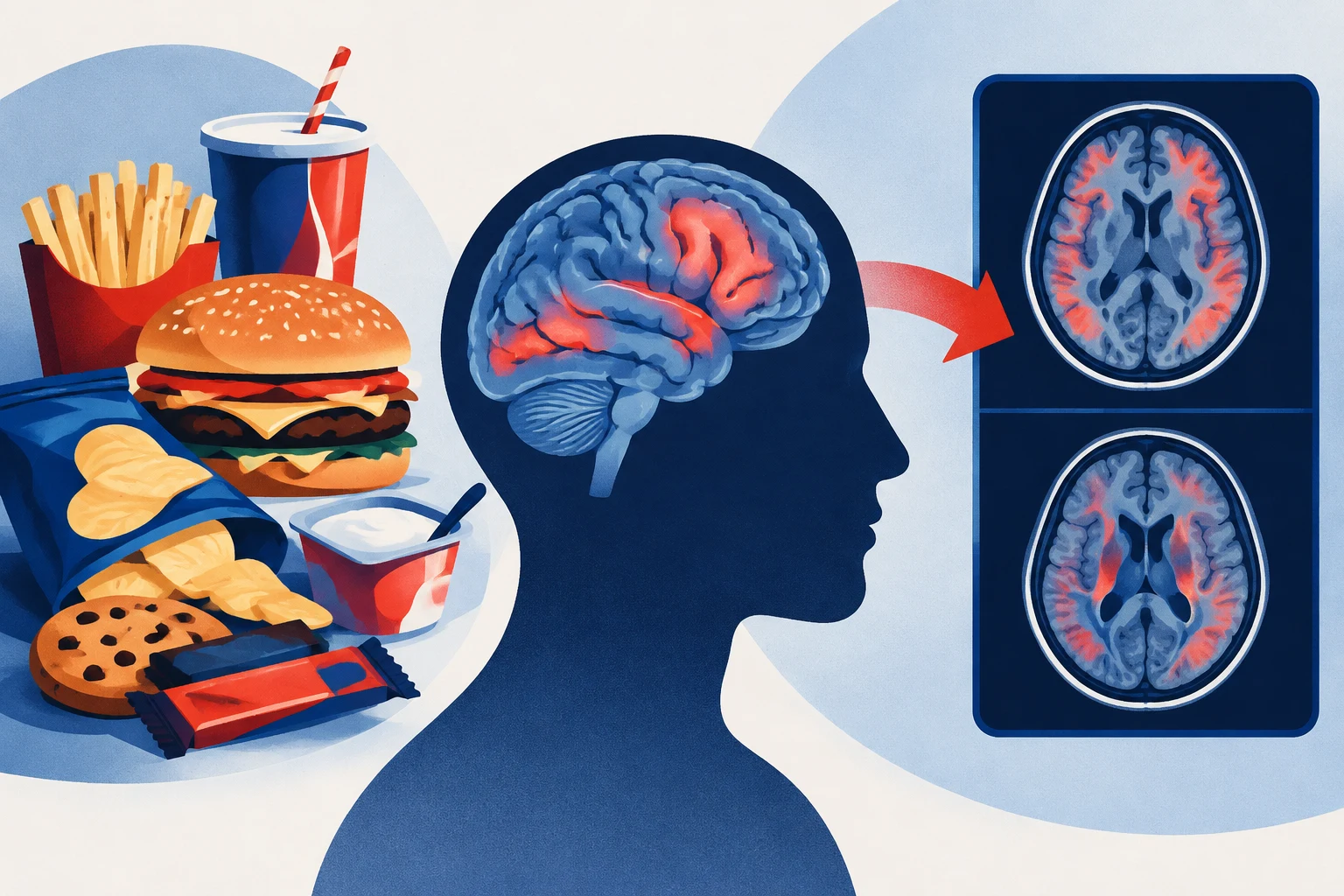
Other factors described in the report included diets high in sugar and ultraprocessed foods, blood sugar regulation, and some medications that can alter the gut microbiome. LaValle said antibiotics’ effects vary by drug and individual. The report also cited ongoing research into possible anti-inflammatory effects of GLP-1 medications, which are prescribed for conditions including type 2 diabetes and obesity; it did not present those effects as settled conclusions.
The NIH’s term “exposome” refers to environmental exposures over a person’s lifetime. LaValle pointed to research examining substances such as microplastics, metals and pesticides, while cautioning that more is being studied about their health effects. He also said intense exercise without adequate recovery could add stress to the body.
The report recommends that people concerned about chronic inflammation or persistent symptoms consult a doctor to determine the cause and appropriate care. It does not establish that any single habit or exposure causes chronic inflammation in an individual.